


Sustainability Practices
As winemakers, we understand that green is as important as red and white. As a proudly family-owned, multi-generational Australian wine company operating in both rural and urban settings for over 50 years, we're committed to acting in a responsible and sustainable manner. Our goal is to be a leader in applying best practice principles in environmental management to ensure sustainable business activities and products. We favour the most innovative techniques available to improve energy efficiency, water conservation and packaging, and we take all measures available to prevent or eliminate the production of waste and pollution. Through this holistic approach we aim to achieve sustainable land and biodiversity outcomes for the present and future. To meet these commitments we operate a comprehensive Environmental Management System, maintain certified membership of leading sector programs, and report annually on our progress against verified Science Based Targets.
Certifications and Memberships
Taylors Wines holds ISO 14001:2015 certification for its Environmental Management System (since 2009) and FSSC 22000 certification under the Global Food Safety Initiative. We have been a verified member of the Science Based Targets initiative since 2021 and a certified member of Sustainable Winegrowing Australia since 2021. We have been a Signatory to the Australian Packaging Covenant and APCO Brand Owner member since 2011, achieving a 'Beyond Best Practice' rating in 2025. We have also reported annually to the National Pollutant Inventory since 2004/2005.
For more detail on our sustainability progress, please see our latest FY2025 Sustainability Report.
Environmental Management System: ISO 14001 Certification
Our winery in the Clare Valley has held ISO 14001 certification for its Environmental Management System since March 2009. The EMS assists in the identification and control of environmental impacts across the business while providing a framework for continuous improvement. It translates our environmental policy into action at the level of every employee and extends across our suppliers and trading partners. Our winery is audited annually for compliance with the standard.
Our Climate Commitment: Verified Science Based Targets
Taylors Wines is committed to the Science Based Targets initiative (SBTi), the global best practice standard for driving ambitious corporate climate action. Our targets align with the goal of the Paris Agreement: to limit dangerous climate change to well below 2°C.
Our climate work builds on a long track record of sustainability leadership. Taylors was the first winery in the world to release a 100% carbon neutral wine range, compliant with the international standard for Life Cycle Assessment. In June 2021, we became the first independent Australian winery to set verified Science Based Targets, joining over 100 leading Australian businesses committed to reducing their greenhouse gas emissions in line with climate science. Our family-owned business has committed to a 50% absolute reduction in Scope 1 and Scope 2 greenhouse gas emissions by 2030, against a 2018 baseline.
Our progress: as of the end of FY2025, we have achieved a 33.2% (591.8 tCO2-e) reduction in combined Scope 1 and Scope 2 emissions, placing us ahead of our required target trajectory. This includes a 51.0% absolute reduction in Scope 2 emissions since FY2018, primarily driven by our transition to renewable electricity and on-site solar generation. We have also committed to measuring and reducing Scope 3 emissions across our value chain, working closely with our supply chain partners to improve data transparency and support their own decarbonisation journeys.
Sustainable Winegrowing Australia
Taylors Wines is a certified member of Sustainable Winegrowing Australia, the national program for grape growers and winemakers to demonstrate and continuously improve their sustainability across the environmental, social and economic aspects of their businesses. We achieved certified membership in 2021. The program is administered by the Australian Wine Research Institute with governance and active support from Australian Grape and Wine and Wine Australia, is modelled on global best practices, and is aligned to the United Nations Sustainable Development Goals.
Packaging and Circularity
Taylors Wines has been a dedicated Brand Owner member of the Australian Packaging Covenant Organisation (APCO) and a Signatory to the Australian Packaging Covenant since 2011. In 2025 we achieved APCO's highest possible rating, 'Beyond Best Practice', for our overall performance. Glass and cardboard are where our packaging footprint matters most, and both have been substantially reworked in recent years. All of our cardboard cartons are now manufactured from 100% recycled content, and 95% of cartons and gift box shippers have transitioned to fully recycled products. Between 85 and 90% of our glass is manufactured locally in South Australia, with 60% recycled content, and our aluminium caps also contain 60% recycled material. The circular thinking extends into the vineyard too, where removed posts, wire and dripper tubes are now segregated for recycling rather than sent to waste. We require all packaging material suppliers to adhere to APCO's Sustainable Packaging Guidelines, or a recognised equivalent, ensuring our commitment to a circular economy is shared by our upstream partners.
Energy and Emissions
Since FY2022, we have invested heavily in renewable energy and energy efficiency projects to reduce carbon emissions associated with our production activities.
In FY2022, we installed our first solar photovoltaic (PV) system at the winery, supported by a 30% GreenPower purchase agreement covering the winery and Wastewater Treatment Plant. At the same time, we replaced traditional fluorescent lighting with high-efficiency LED systems. In FY2024 we expanded on-site generation with an additional PV solar system for our new Cellar Door. In June 2025 we commissioned a new 30kW solar PV system to power our Wastewater Treatment Plant, projected to reduce annual emissions by a further 30 tCO2-e. As of FY2025, on-site renewable generation accounts for 7.0% of the Auburn site's electricity consumption. Combined with GreenPower procurement, 37% of our total energy use is derived from renewable sources.
Land Use and Biodiversity
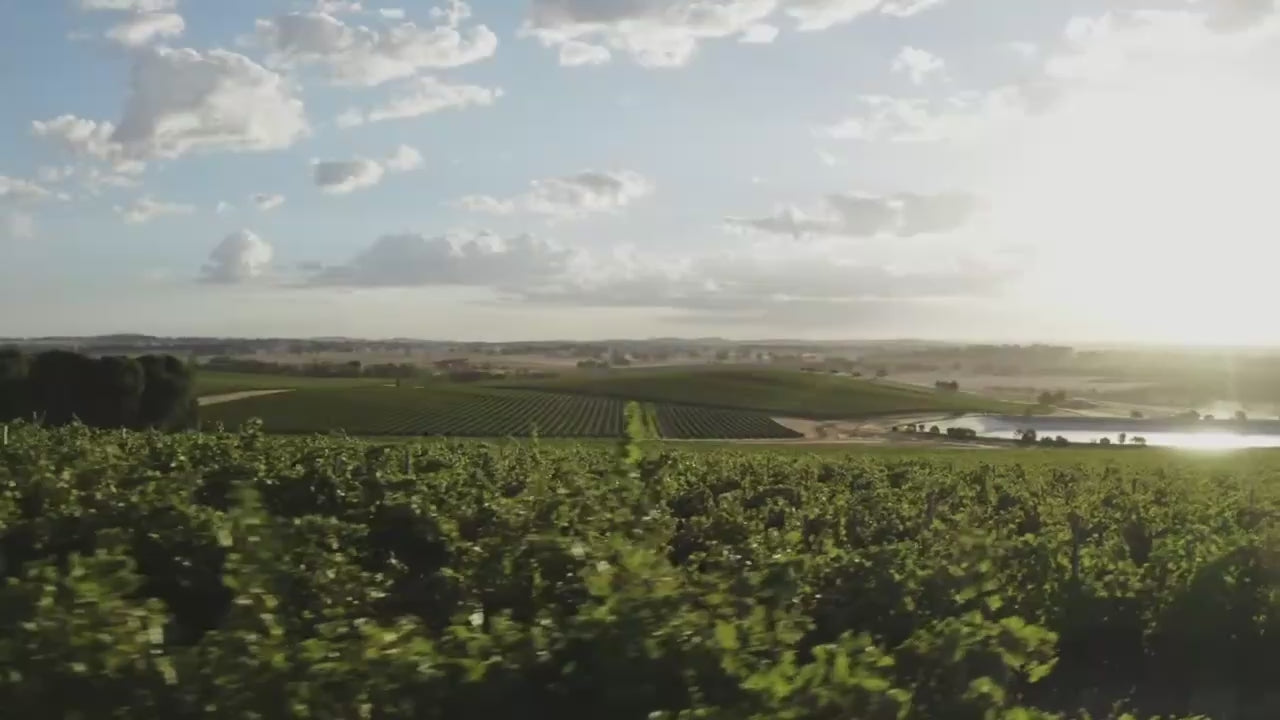
We proactively manage the land and soil of our vineyards to minimise degradation and optimise soil organic matter and remediation. Our Biodiversity Management Plan was established in 2021 and is reviewed annually, most recently in June 2025. The plan aims to protect areas of biodiversity, reduce threatening processes, and manage feral animals, invasive species, pests, weeds and diseases.
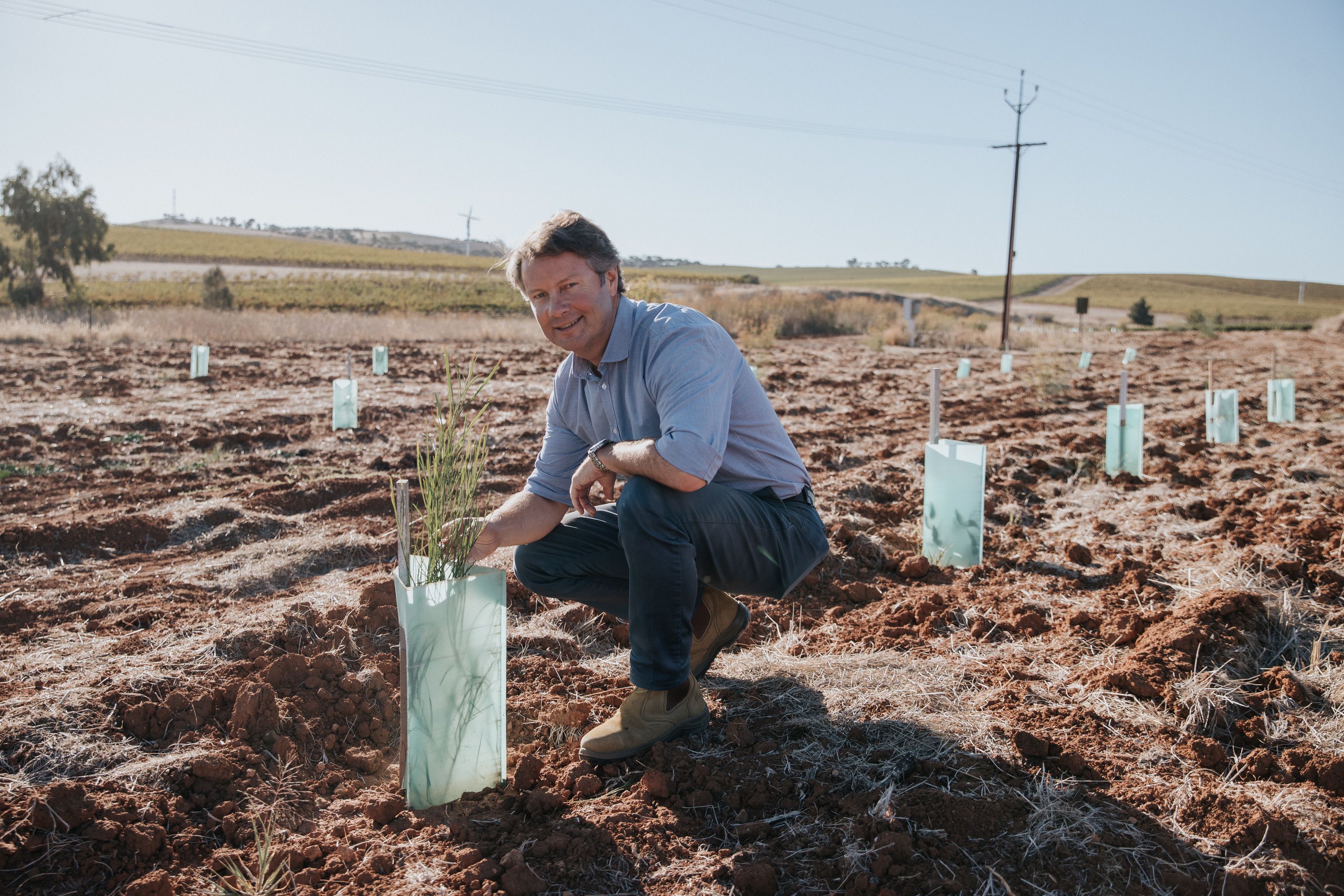
Our vineyard team runs a successful program to remove invasive non-native trees, shrubs and weeds from the property. In winter 2024, the remaining mature problem trees (wild fruits, olive and ornamental ash trees) were removed. Future work focuses on controlling reinfestation from seedlings.
Established in Winter 2023, our 0.47-hectare insectarium is a mature functional biodiversity asset featuring 500 targeted plant species. This area of flowering native shrubs provides permanent habitat and a continuous food source for beneficial insects such as lacewings, predatory wasps, and ladybird beetles. Located adjacent to our Riesling blocks, it helps foster natural defences against pests like the light brown apple moth, whose larvae create entry points for botrytis infections. Microbat nesting boxes at the site provide shelter for indigenous microbats, which feed on nocturnal flying insects throughout the vineyard.
Since 2001, we have used organic matter to mulch the soil under our vines, providing benefits including superior near-surface root growth, enhanced earthworm and soil microbe activity, and reduced weed growth. Materials used for mulching include straw from surrounding districts, grape marc, and recycled organic waste from local third-party suppliers. We also participate in the national Ecovineyards program, which supports winegrape growers to enhance soil health, establish ground covers and increase functional biodiversity. Sheep roam free within specific vineyard blocks to keep winter grasses and weeds under control, reducing herbicide use, lowering tractor diesel consumption, providing natural fertiliser, and reducing soil compaction. We strictly follow the AWRI guidelines for agrochemicals registered for use in Australian viticulture. No broad-spectrum insecticides are in use, and continuous vineyard monitoring ensures targeted spraying only takes place where needed.
Water Management and Stewardship
Taylors Wines operates under a comprehensive Water Management Plan first established in 2021, with annual reviews completed each June. This plan ensures the supply, use, and recycling of water align with strict licence agreements and internal sustainability requirements. First commissioned in 2005, our dedicated Wastewater Treatment Plant recycles 100% of the wastewater generated by the winery and bottling hall for re-use in our vineyards, totalling approximately 23 megalitres annually. We also harvest all stormwater and associated run-off from the winery buildings for operational use.
We have installed pressure test points in irrigation drip lines and annually replace 16 hectares of dripper tubes to ensure even application and rapid leak detection. Soil moisture is closely monitored using continuously logging EnviroScan probes to apply the right amount of water at the right time.
In Winter 2024, we trialled geobags as a replacement for traditional settling clarifiers and V-fold presses in our wastewater treatment process. Geobags use porous geofabrics to trap solids while allowing clear water to pass through, resulting in higher quality water with significantly reduced nutrient levels, and providing an automated, energy-saving alternative for solid removal. Future projects are planned to fully automate geobag solids removal and other recycling facility functions.
Waste and Pollution
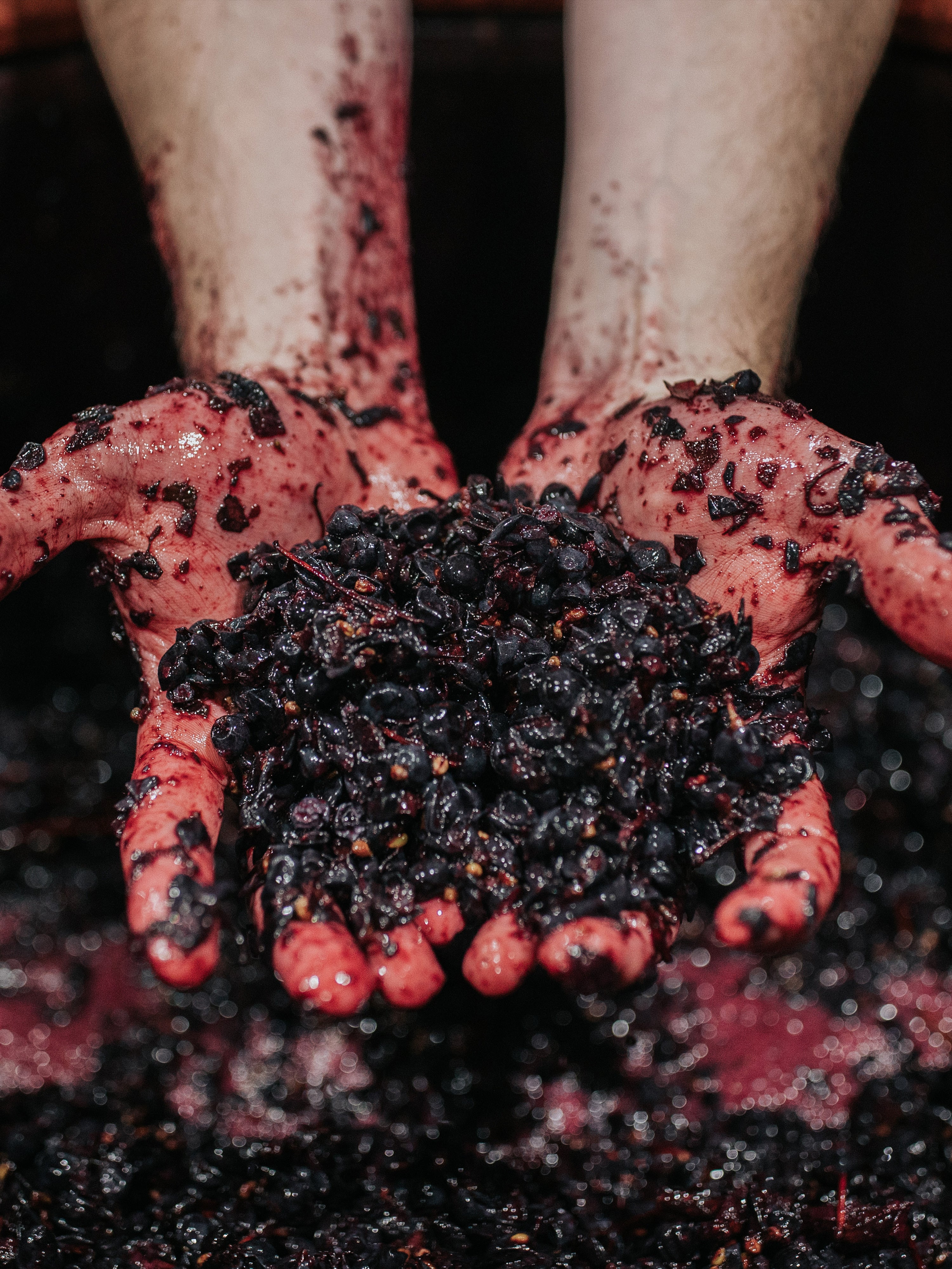
We advocate waste minimisation and pollution prevention across all site operations, exploring opportunities to reduce, recycle and reuse waste from our operations. Improved data collection in waste recycling has enabled us to record and drive further reductions in waste sent to landfill. Our recycling and reuse practices cover glass waste, cardboard and paper, organic solid residuals (including marc and diatomaceous earth), winery wastewater, scrap metal, e-waste, and take-back arrangements with suppliers for various packaging waste. Grape marc is recycled offsite to extract grape alcohol, tannins and other compounds via a steam distillation process. The spent solids are combined with other production concentrates to form a product called TPR, which is returned to the estate and applied to the vineyard as a soil conditioner. Other solid winemaking residuals such as filter cake are also processed, with calcium tartrate extracted to produce tartaric acid for use by the wine industry.
Awards and Recognition
Over the years, Taylors has been recognised with a number of major environmental awards for our sustainability initiatives, including the Leading in Sustainability Award at the Banksia Foundation Environmental Awards, the Environmental and Energy Management Award at the NAB Agribusiness Awards, the Best Green Launch at The Drinks Business Magazine Green Awards, and the Carter Holt Harvey Sustainability Award (Silver Medal) at the Australian Packaging Awards. Most recently, in 2025 we achieved APCO's highest possible 'Beyond Best Practice' rating for our packaging performance.
About
FAQs
Best Sellers