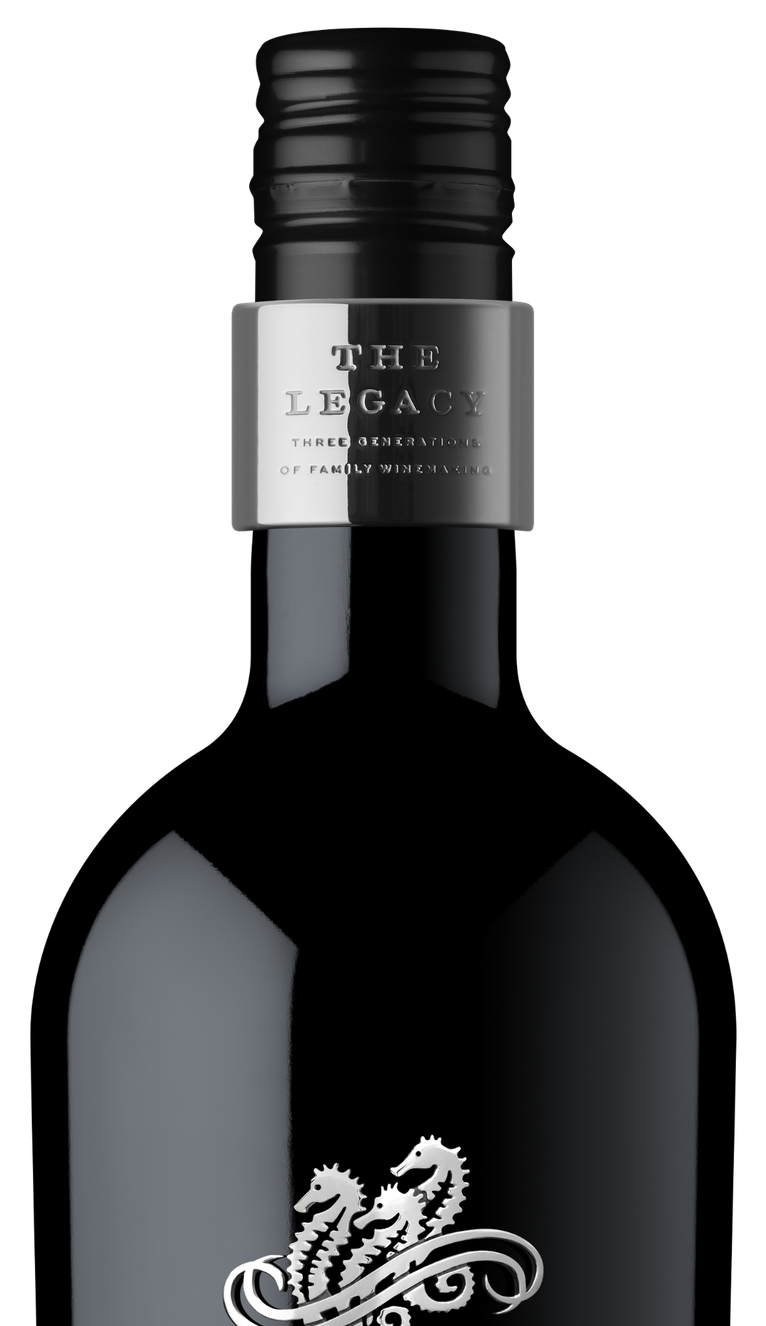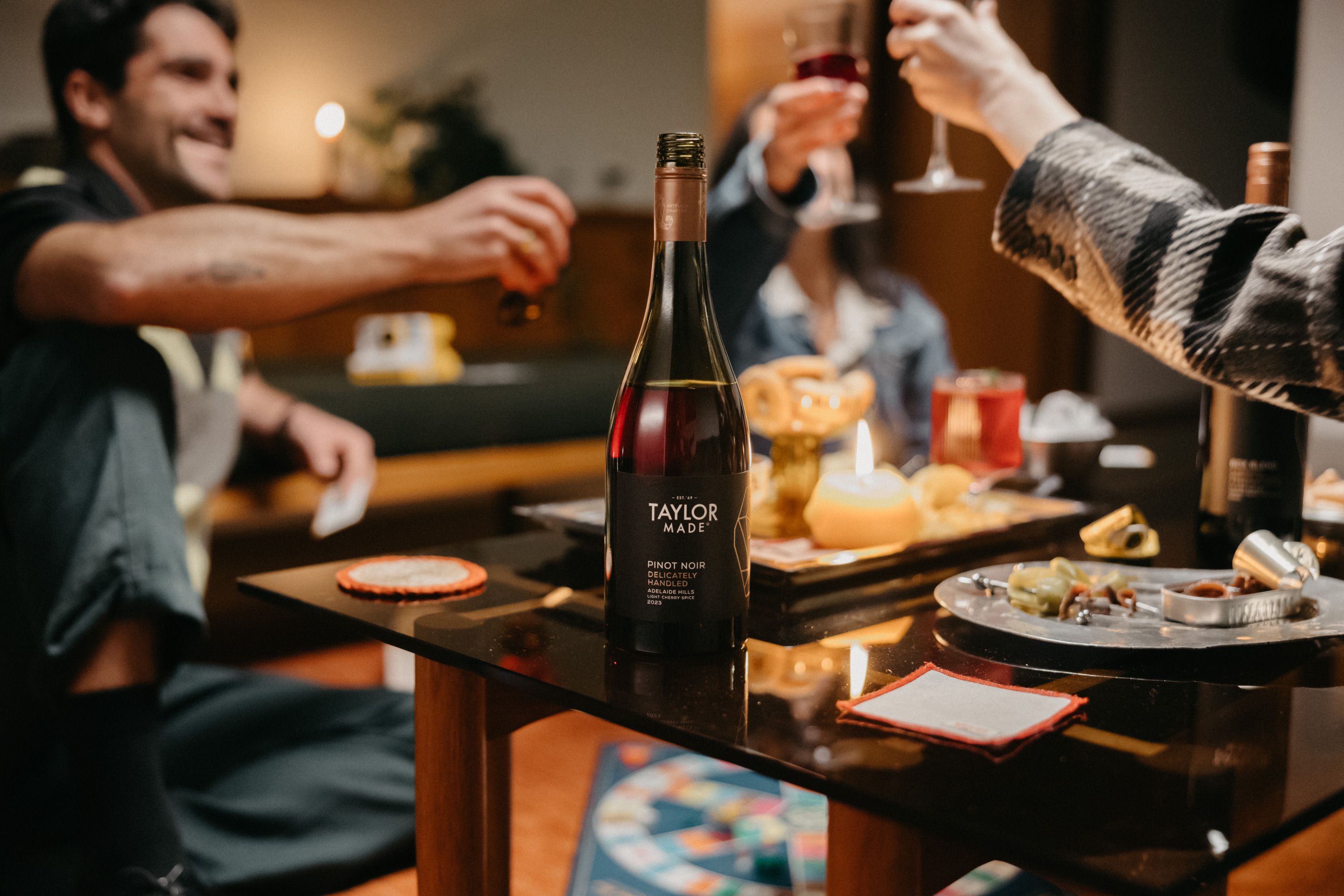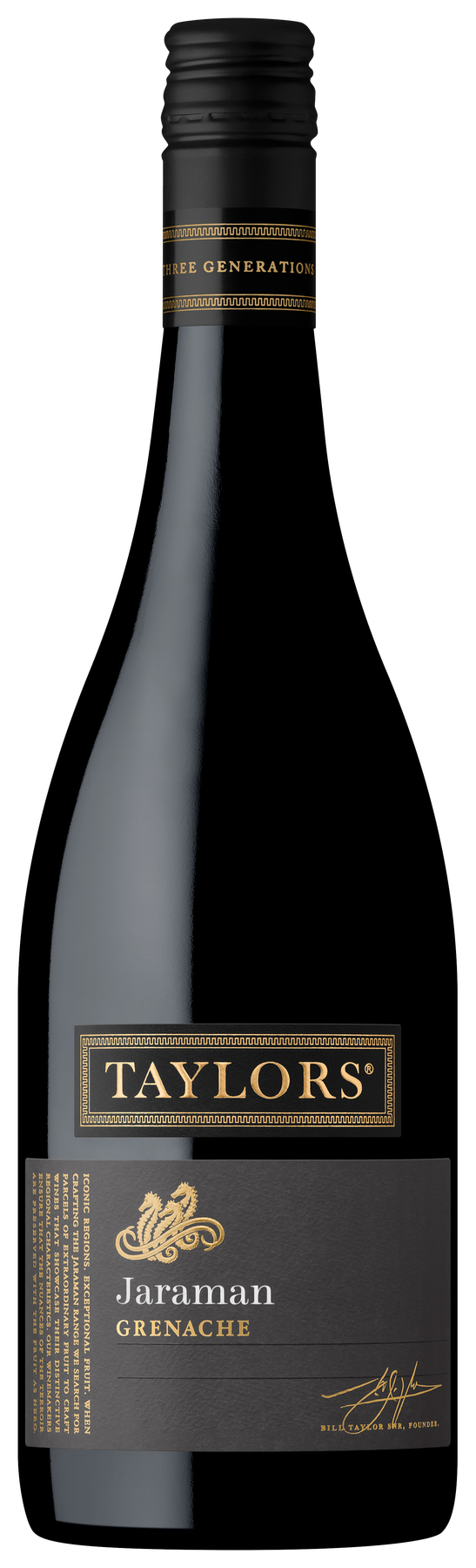




Explore Taylor's collection of premium Australian red wines. From elegant Pinot Noir to rich, full-bodied Cabernet Sauvignon, discover wines for everyday enjoyment, entertaining, gifting and special occasions.
EXPLORE OUR AUSTRALIAN RED WINE COLLECTION
Whether you're treating yourself to a Friday evening or hosting a dinner party, our red wine selection offers something for every moment and palate. Each wine in our collection reflects Taylor's commitment to premium craftsmanship and the distinctive character of Australian winemaking, particularly the finesse we've perfected in Clare Valley over more than five decades.
Australian red wines have earned their place on the world stage, and our range demonstrates why. They balance fruit-forward character with structure, offering both approachability and depth. Whether you prefer something smooth and easy-drinking or more complex and age-worthy, you'll find a wine that makes the right impression.
WHICH TYPE OF RED WINE SHOULD YOU CHOOSE?
The foundation of choosing red wine starts with understanding the main varieties. Each brings its own personality, flavour profile and food-pairing potential. Here's what sets the principal red wine varieties apart.
Cabernet Sauvignon
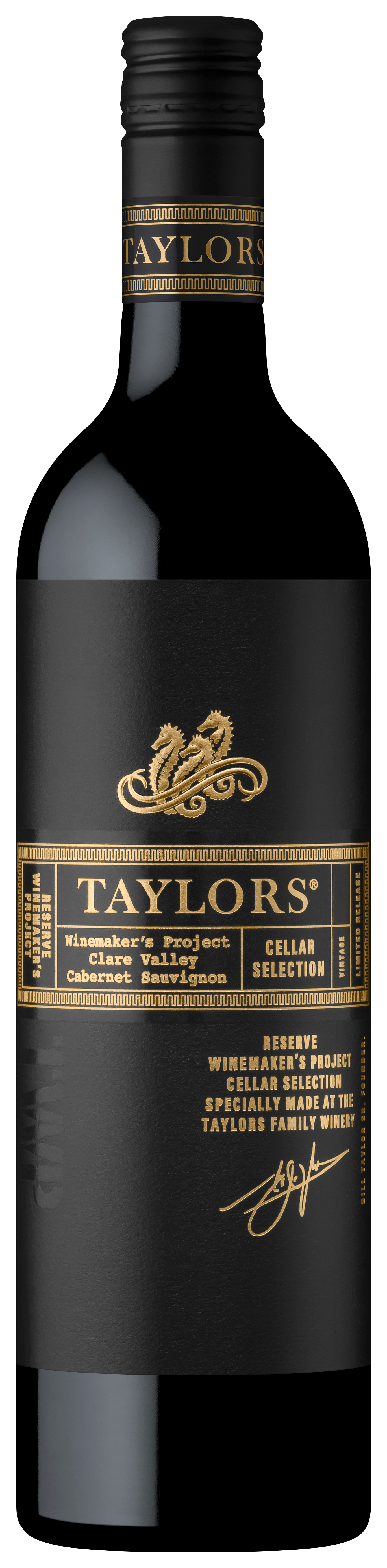
Cabernet Sauvignon is the world's most recognised red wine variety, and for good reason. It delivers bold, structured wines with dark fruit character: blackberry, plum and cassis, complemented by fine tannins and often a hint of oak spice. Full-bodied and age-worthy, Cabernet Sauvignon makes a confident statement. It's the go-to choice for steak, roast beef and hard cheeses, and the variety that commands respect at a dinner table.
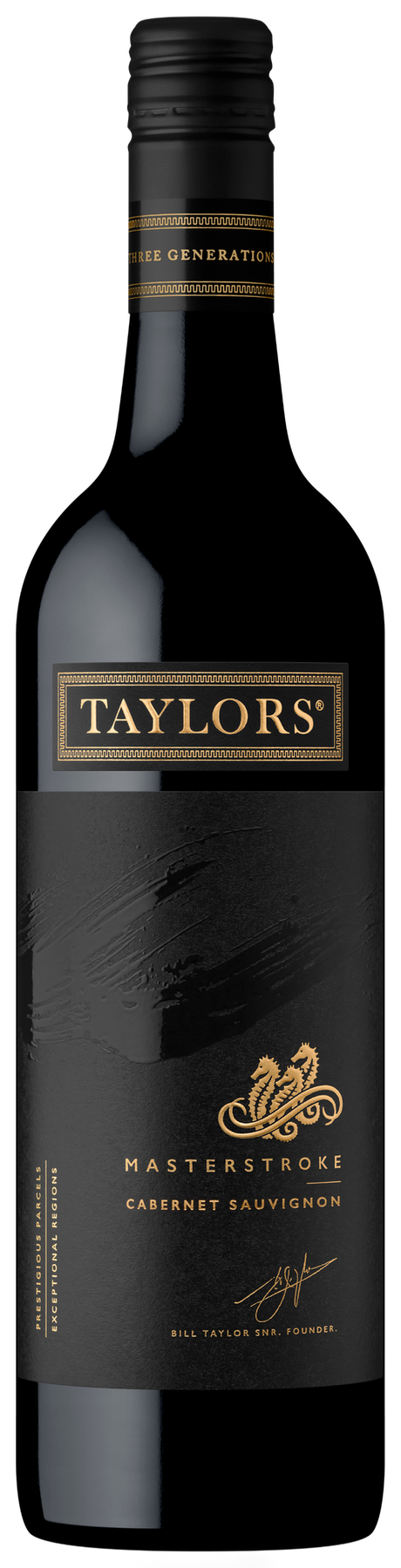
Taylor's Cabernet Sauvignons showcase the richness of Australian fruit with the elegance that comes from careful oak maturation and our Clare Valley heritage.
Shiraz
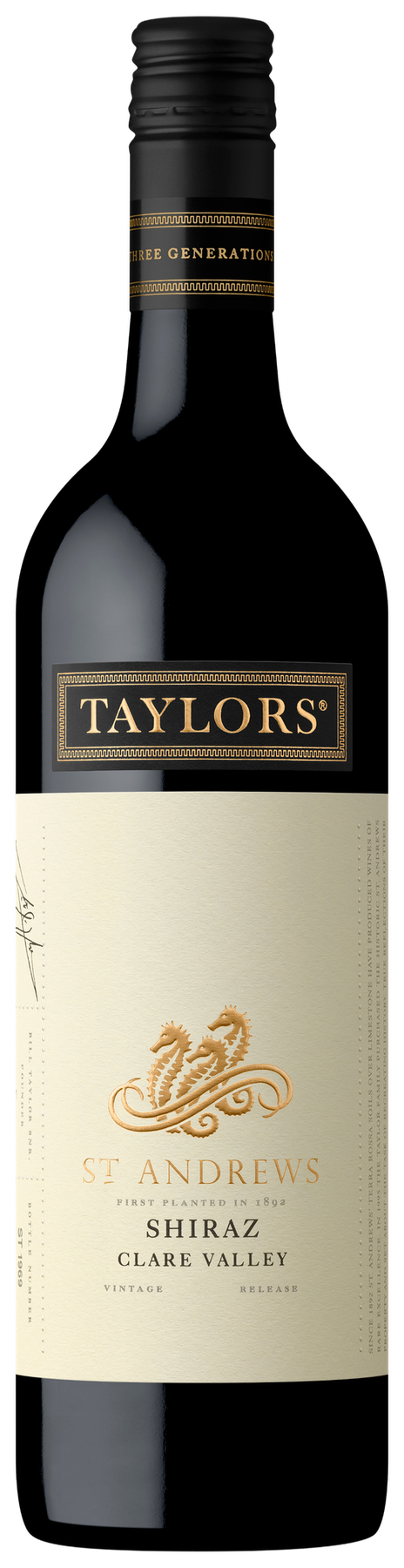
Shiraz is Australia's signature variety, and it's where Australian winemaking truly shines. Ripe, generous and unapologetically fruit-driven, Shiraz delivers dark cherry, plum and spice with a rich, full-bodied texture. The tannins are often softer than Cabernet, making Shiraz incredibly food-friendly and sociable. This is the wine for barbecue, slow-cooked lamb and gatherings where the wine sets the tone for celebration.
Our Shiraz range captures the warmth and character that make this variety beloved across Australia and beyond.
Pinot Noir
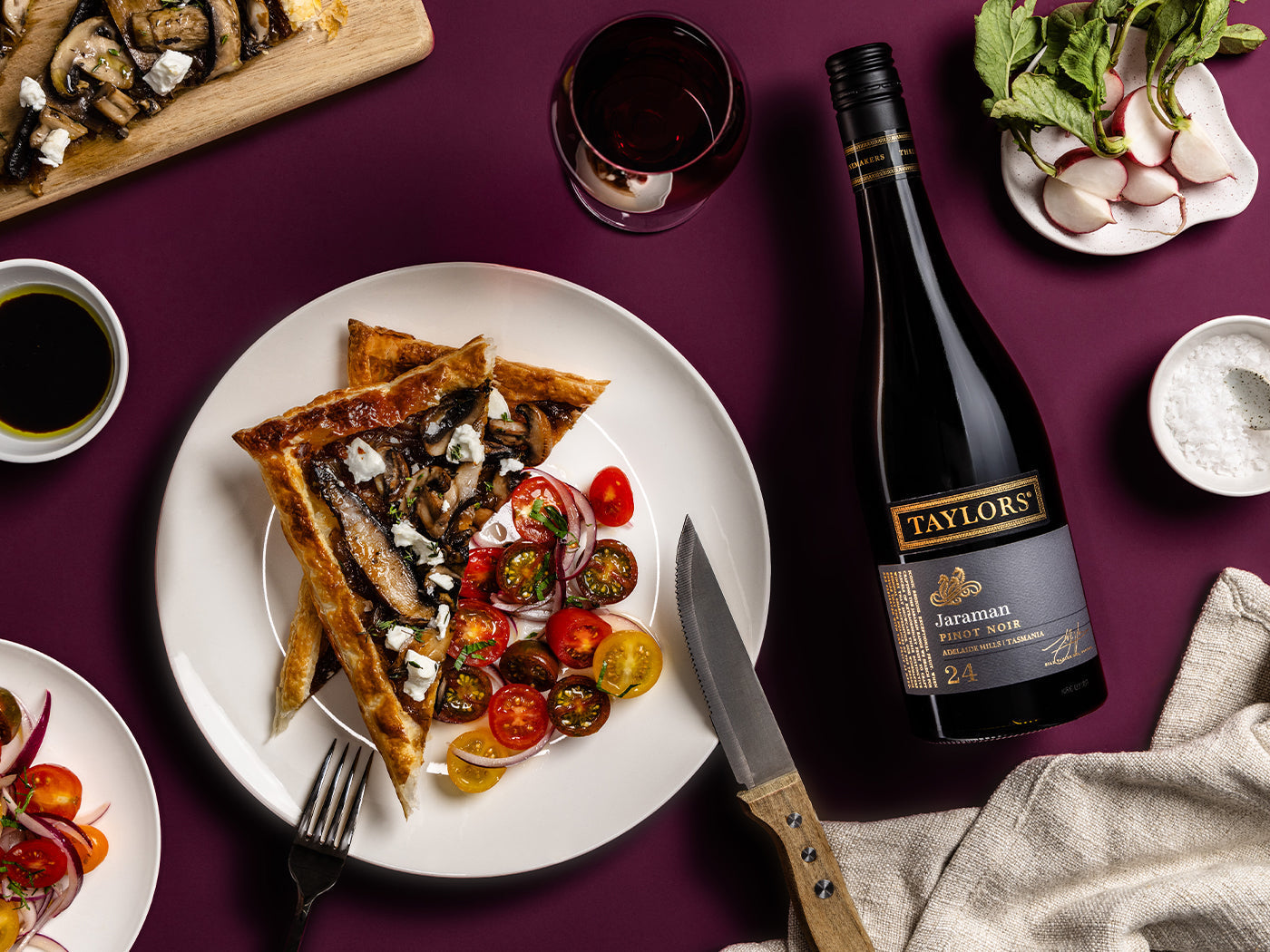
Pinot Noir is the elegant choice, lighter in body, with silky texture and bright red fruit character: strawberry, raspberry, red cherry. Don't let the lighter body fool you; Pinot Noir offers complexity and refinement. It's food-friendly in a different way than Cabernet or Shiraz, pairing beautifully with duck, mushrooms, salmon and subtler dishes where a heavier wine might overpower.
Pinot Noir is for wine drinkers who appreciate nuance and aren't afraid to break convention.
Merlot
Merlot sits between Pinot Noir and Cabernet in terms of body and structure. Soft tannins, plum and dark cherry fruit, and a naturally smooth finish make Merlot approachable and versatile. It's the variety that works with everything from roast chicken to pork to pasta dishes. Merlot is often underestimated, but it deserves a place in any wine lover's rotation, especially for everyday entertaining.
Taylor's Merlots offer that perfect balance: enough depth to be interesting, enough approachability to be genuinely easy to enjoy.
COMPARE RED WINES BY FLAVOUR AND STYLE
Beyond variety, red wines can be compared by body, tannin structure, acidity and fruit profile. This comparison helps you find the style that suits your palate and occasion.
|
Variety |
Typical Body |
Typical Characteristics |
Ideal Food Pairings |
|
Cabernet Sauvignon |
Full |
Dark fruit, structured tannins, elegant finish |
Steak, roast beef, hard cheese |
|
Shiraz |
Full |
Ripe fruit, spice, rich texture |
Barbecue, lamb, slow-cooked meats |
|
Pinot Noir |
Light to medium |
Red berries, silky texture, bright acidity |
Duck, mushrooms, salmon |
|
Merlot |
Medium |
Soft tannins, plum fruit, smooth finish |
Pasta, roast chicken, pork |
Note: Flavour profiles vary depending on region, vintage and winemaking style. Individual wines within each variety can express different characteristics based on how they're made and where the grapes are grown.
Rich and Full-Bodied Wines
If you prefer wines with presence, those that coat your palate and linger, full-bodied reds are your choice. Cabernet Sauvignon and Shiraz typically deliver this weight and richness. Full-bodied wines demand attention; they're the wines you pour when you want the evening to revolve around what's in your glass. They age beautifully, improve with decanting, and pair best with equally bold food: steak, rich roasts, barbecued meats and mature cheeses.
Elegant and Medium-Bodied Wines
Medium-bodied reds offer balance. They have enough structure to be interesting without the intensity of full-bodied wines. Merlot and lighter expressions of Pinot Noir and Shiraz fall into this category. These wines are remarkably versatile for entertaining because they work with a broader range of dishes and don't overshadow conversation. They're also approachable for wine drinkers who are still discovering their preferences.
Fruit-Driven Styles
Some red wines emphasise bright, upfront fruit over tannin structure. These wines are immediately approachable, no decanting required, and deliver instant pleasure. They work beautifully for casual gatherings, outdoor entertaining and moments when you want the wine to be enjoyable rather than demanding analysis. Many Pinot Noirs and lighter Shiraz expressions fall into this category.
WHAT FOOD GOES BEST WITH RED WINE?
Food and wine pairing isn't complicated; it's about matching weight, richness and flavour intensity. Here's how to think about it.
Red Wine for Steak and Barbecue
This is where red wine excels. A perfectly grilled steak or slow-cooked barbecued meat demands a wine with structure and richness to stand up to those bold, smoky, savoury flavours. Cabernet Sauvignon is the classic choice, its tannins and dark fruit complement beef beautifully. Shiraz, with its spice and ripe fruit, is equally magnificent with barbecue, especially lamb. The rule: the heavier and richer the meat, the fuller-bodied and more structured the wine should be.
Red Wine for Roast Dinners
A roast chicken, pork or lamb dinner calls for a wine that's food-friendly without being understated. Here, Merlot and medium-bodied Pinot Noir shine. They have enough presence to enhance the meal without overwhelming it. If you're roasting beef, step up to Cabernet Sauvignon. The formality of a roast dinner pairs well with wines that feel special without being intimidating.
Red Wine for Cheese
Red wine and cheese is a timeless pairing. Hard, aged cheeses, cheddar, parmesan, mature gruyère, pair best with full-bodied reds like Cabernet Sauvignon and Shiraz. Softer cheeses and charcuterie boards welcome medium-bodied options like Merlot. The key is matching intensity: bigger wines with bigger flavours, lighter wines with subtler cheeses.
HOW TO CHOOSE RED WINE FOR ANY OCCASION
Choosing red wine doesn't require expertise; it requires understanding yourself and the moment.
For treating yourself: Choose a wine that feels like a reward. This might be a wine you've been curious about, a premium expression from a trusted producer, or something that simply looks or sounds appealing. The occasion is personal celebration, choose what makes you feel good.
For dinner parties: Opt for a wine that's impressive but approachable. You want something that looks premium and tastes excellent, but isn't so demanding that it becomes the focus of conversation. Medium-bodied reds and accessible full-bodied options work best. Merlot, Shiraz and Pinot Noir are solid choices. Cabernet Sauvignon works if it's a formal dinner.
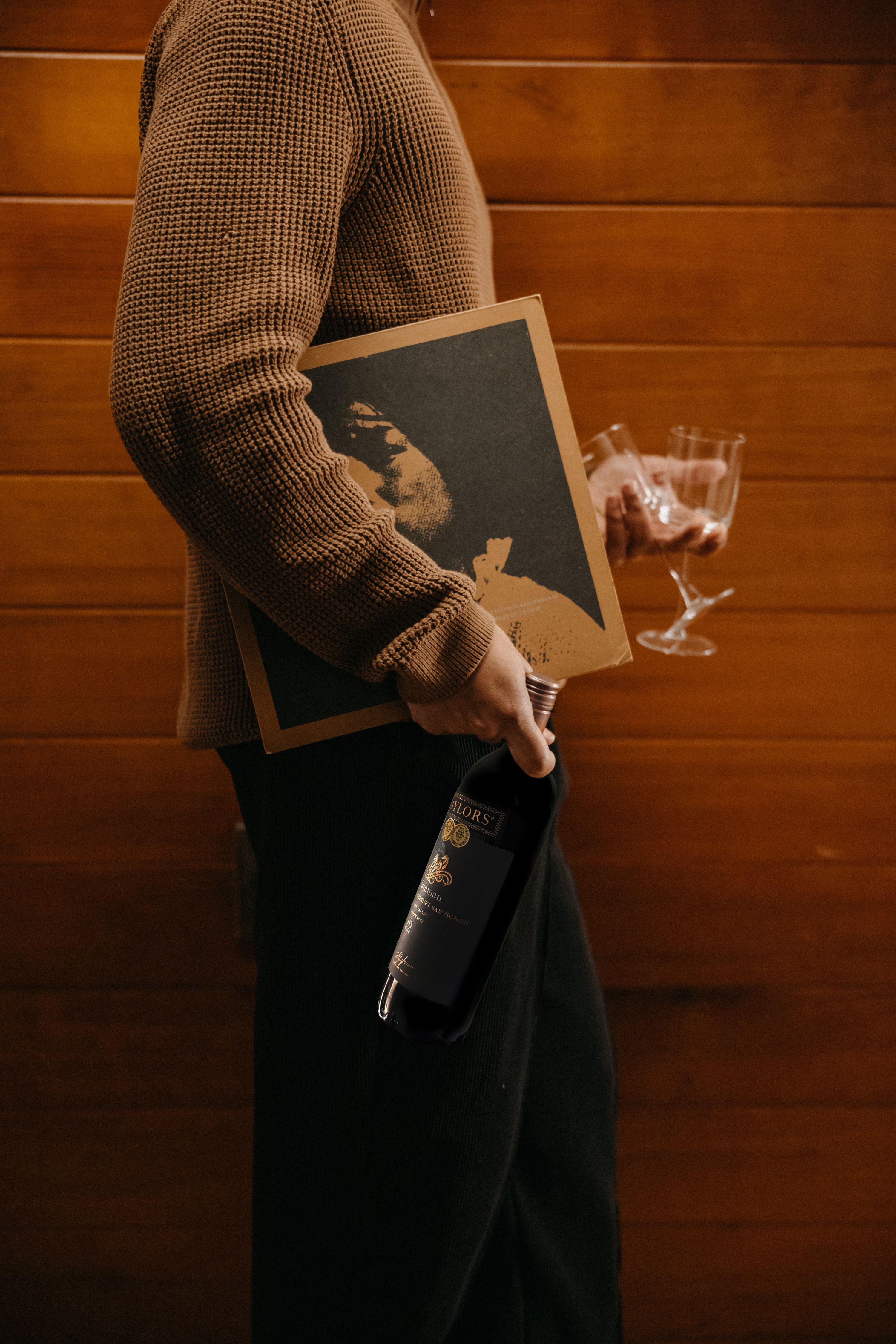
For gifting: Premium presentation matters here because quality signals thoughtfulness. A wine that looks premium, comes from a respected producer, and has a story or heritage behind it signals you've chosen deliberately. Taylor's wines, with their family heritage and Clare Valley reputation, are excellent gift choices. Include a note about the variety's characteristics or food pairing suggestions, it removes doubt and shows genuine consideration.
For casual gatherings: Choose something fruit-driven and easy to enjoy. Lighter Shiraz, Pinot Noir and Merlot are perfect. These are wines people will enjoy without needing to discuss or analyse them. They're the wines that make entertaining effortless.
For collecting: If you're interested in wines that age well, Cabernet Sauvignon and premium Shiraz from good vintages are your focus. These wines develop complexity over time. Check individual product pages for cellaring notes and recommendations.
HOW TO SERVE AND STORE RED WINE
A few simple principles make serving red wine easy and ensure it tastes its best.
Serving temperature: Most red wines taste best when served slightly cool to room temperature, around 16 to 18 degrees Celsius. This is cooler than you might expect. Overly warm wine can taste flat and alcoholic; too cold, and the flavours don't open up. Let a chilled bottle sit for a few minutes before serving, or chill a room-temperature bottle briefly before pouring.
Decanting: Decanting is optional, not essential. Younger, full-bodied reds like Cabernet Sauvignon and Shiraz can benefit from decanting, which exposes the wine to air and helps soften tannins. Simply pour the wine into a decanter or large glass jug 15 to 30 minutes before serving. Older or more delicate wines, especially Pinot Noir, don't require decanting and might be best enjoyed straight from the bottle.
Glassware: Use a standard red wine glass with a bowl large enough to swirl the wine gently. This allows the aromas to develop and enhances your enjoyment. You don't need expensive stemware; a simple glass that holds the wine properly is all that matters.
Storage: Store red wines on their side (if they have cork closures) in a cool, dark place. A wine fridge or cool cupboard is ideal. Avoid direct sunlight, heat and temperature fluctuations. Most everyday red wines are made to drink within a few years; for specific cellaring advice on individual wines, check the product page.
WHY CHOOSE AUSTRALIAN RED WINE?
Australian red wines have become world-renowned for a reason. The climate, soil diversity and winemaking philosophy create wines that are generous, fruit-forward and eminently drinkable, yet capable of real complexity and age-worthiness.
Australian winemakers understand balance. We make wines that are bold enough to stand out, approachable enough to enjoy without ceremony, and crafted with enough care to respect the fruit. This balance is what distinguishes Australian red wine globally.
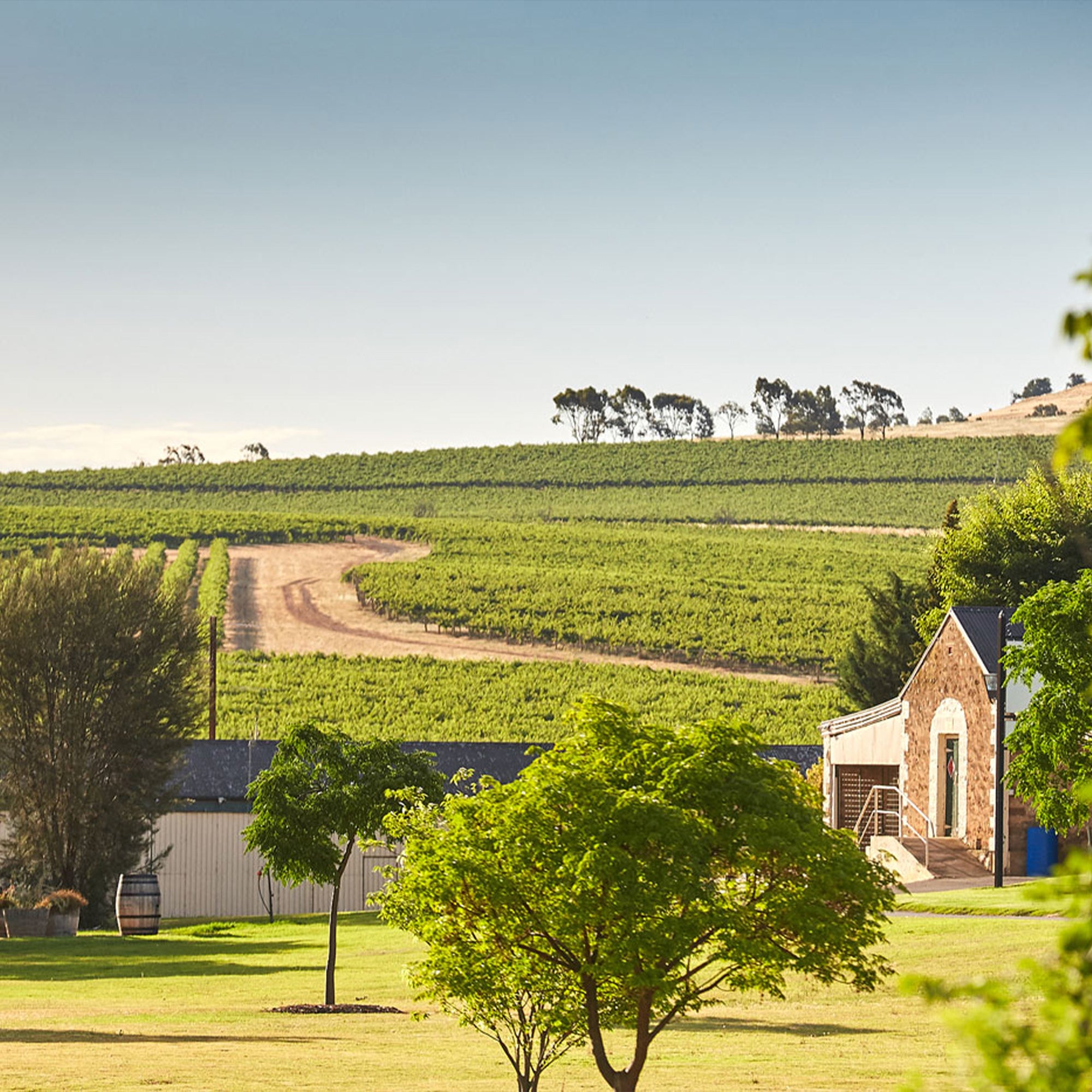
Clare Valley, where Taylor's wines are made, is one of Australia's premier red wine regions. The cool-climate conditions create wines with bright acidity, fine tannin structure and the ability to develop beautifully over time. Clare Valley Cabernet Sauvignon and Shiraz have earned international recognition because they deliver both immediate pleasure and long-term complexity.
Choosing Australian red wine means choosing a region that has mastered the art of making wines that matter, wines for everyday moments and special occasions alike.
WHY CHOOSE TAYLOR'S WINES?
Taylor's has been family-owned and devoted to winemaking excellence since 1969. That's more than five decades of understanding our land, respecting our vines, and perfecting the art of making wines that bring people together.
Our heritage is our credibility, but it's not our story. Our story is about making wine that works for real life, wines for dinner parties and Friday nights, for gifting and celebrating, for moments that matter. We make wines that remove doubt and deliver confidence.
Every wine in our red wine collection reflects our commitment to quality, our respect for the Clare Valley terroir, and our belief that premium wine should be approachable. We don't make wine for critics; we make wine for people who appreciate quality and want to feel good about their choice.
When you choose Taylor's red wine, you're choosing a family business that has invested decades into understanding what works, what tastes exceptional, and what makes the right impression.
FREQUENTLY ASKED QUESTIONS ABOUT RED WINE
What are the main types of red wine?
The four primary red wine varieties are Cabernet Sauvignon (full-bodied, dark fruit, structured), Shiraz (full-bodied, ripe fruit, spice-forward), Pinot Noir (light to medium, silky, red berries) and Merlot (medium, soft, plum fruit). Each offers different flavour profiles and food-pairing potential. Your choice depends on personal preference and the occasion.
What is the difference between Cabernet Sauvignon and Shiraz?
Cabernet Sauvignon is typically more structured with darker fruit (blackberry, plum) and firmer tannins, making it elegant and age-worthy. Shiraz is riper, more fruit-forward with spice, and often delivers a richer, softer texture. Cabernet pairs best with beef; Shiraz excels with lamb and barbecue. Both are full-bodied, but Cabernet feels more formal and Shiraz more celebratory.
Which red wine is best for beginners?
Start with Merlot or lighter expressions of Pinot Noir. Both are approachable, fruit-driven and not demanding. They're forgiving wines that don't require decanting or extensive knowledge to enjoy. From there, explore Shiraz (riper, more fruit) and eventually Cabernet Sauvignon (more structured, complex).
What food pairs best with red wine?
Red wine pairs best with savoury, rich foods: steak, lamb, roasts, barbecued meats, aged cheeses and charcuterie. Medium-bodied reds work with pasta, roast chicken and pork. Lighter reds pair with duck and mushrooms. The rule: match wine weight to food weight. Heavier wines with heavier foods.
Should red wine be decanted?
Decanting is optional. Younger, full-bodied reds like Cabernet and Shiraz can benefit from 15 to 30 minutes of decanting, which softens tannins and opens aromas. Older or delicate wines don't require it. If unsure, try decanting half the bottle and comparing.
Can red wine be cellared?
Yes, premium red wines age beautifully. Cabernet Sauvignon and quality Shiraz can improve over 5 to 15+ years, depending on the vintage and winemaking style. Lighter reds like Pinot Noir and Merlot are typically best enjoyed within 3 to 7 years. Check individual product pages for specific cellaring recommendations.
What temperature should red wine be served?
Red wine tastes best at 16 to 18 degrees Celsius, slightly cool to room temperature. This is cooler than many assume. A wine too warm tastes flat; too cold, and flavours close up. Let a chilled bottle sit before serving, or chill a room-temperature bottle briefly.
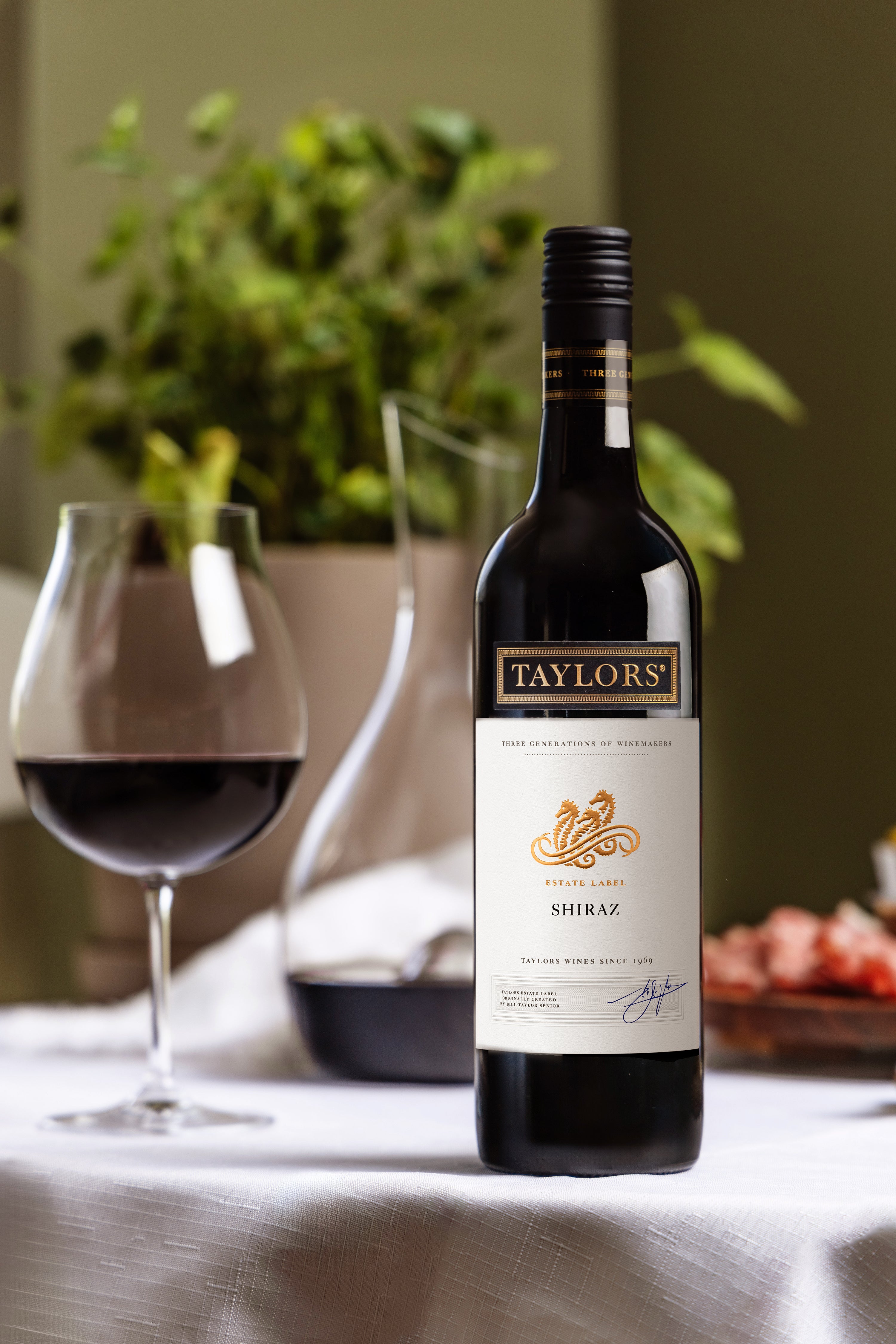
Why choose Australian red wine?
Australian red wines balance fruit generosity with structure and refinement. The climate creates wines that are immediately approachable yet capable of complexity. Australian winemakers have mastered the art of making wines that work for everyday enjoyment and special occasions, wines that remove doubt and deliver confidence.
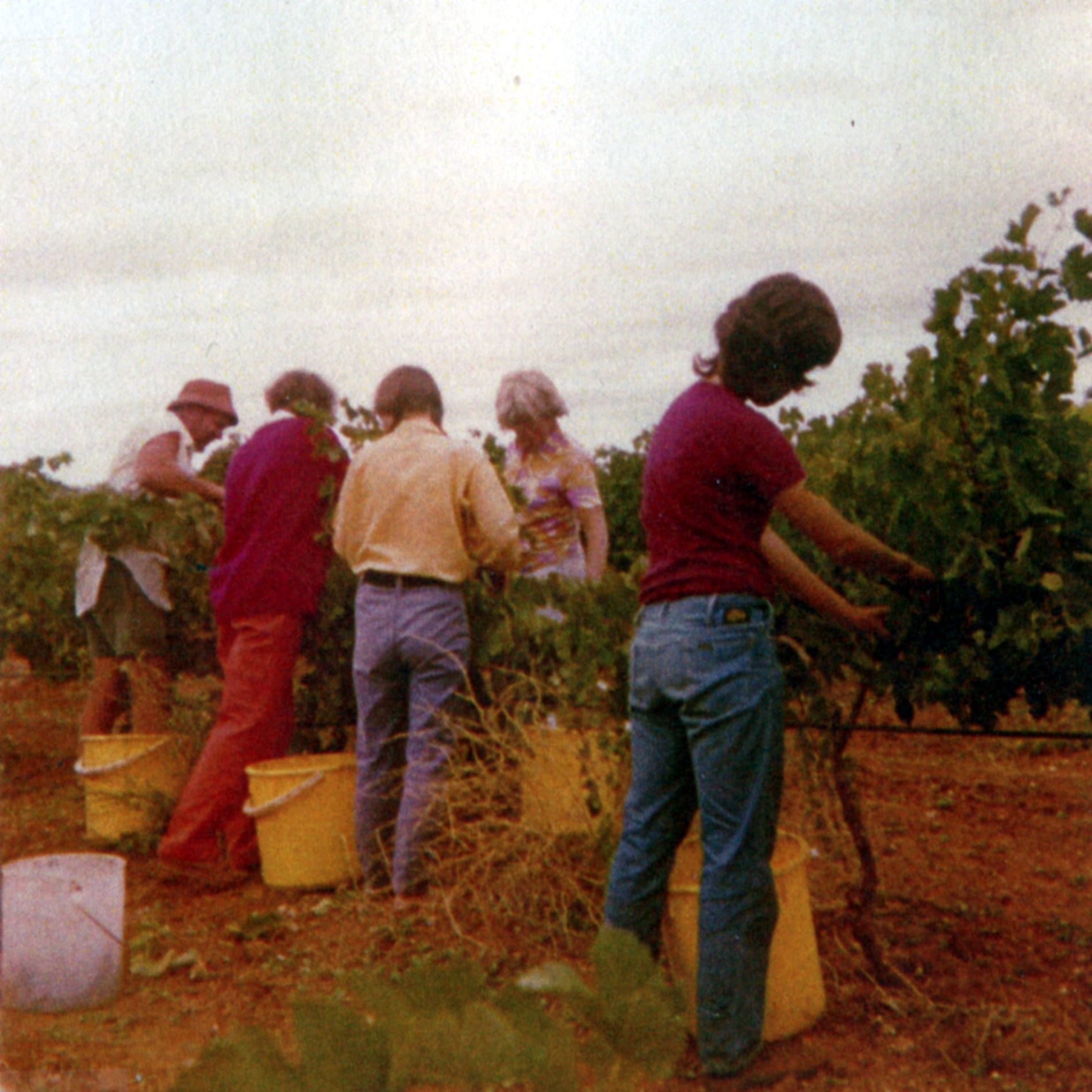
The beginning
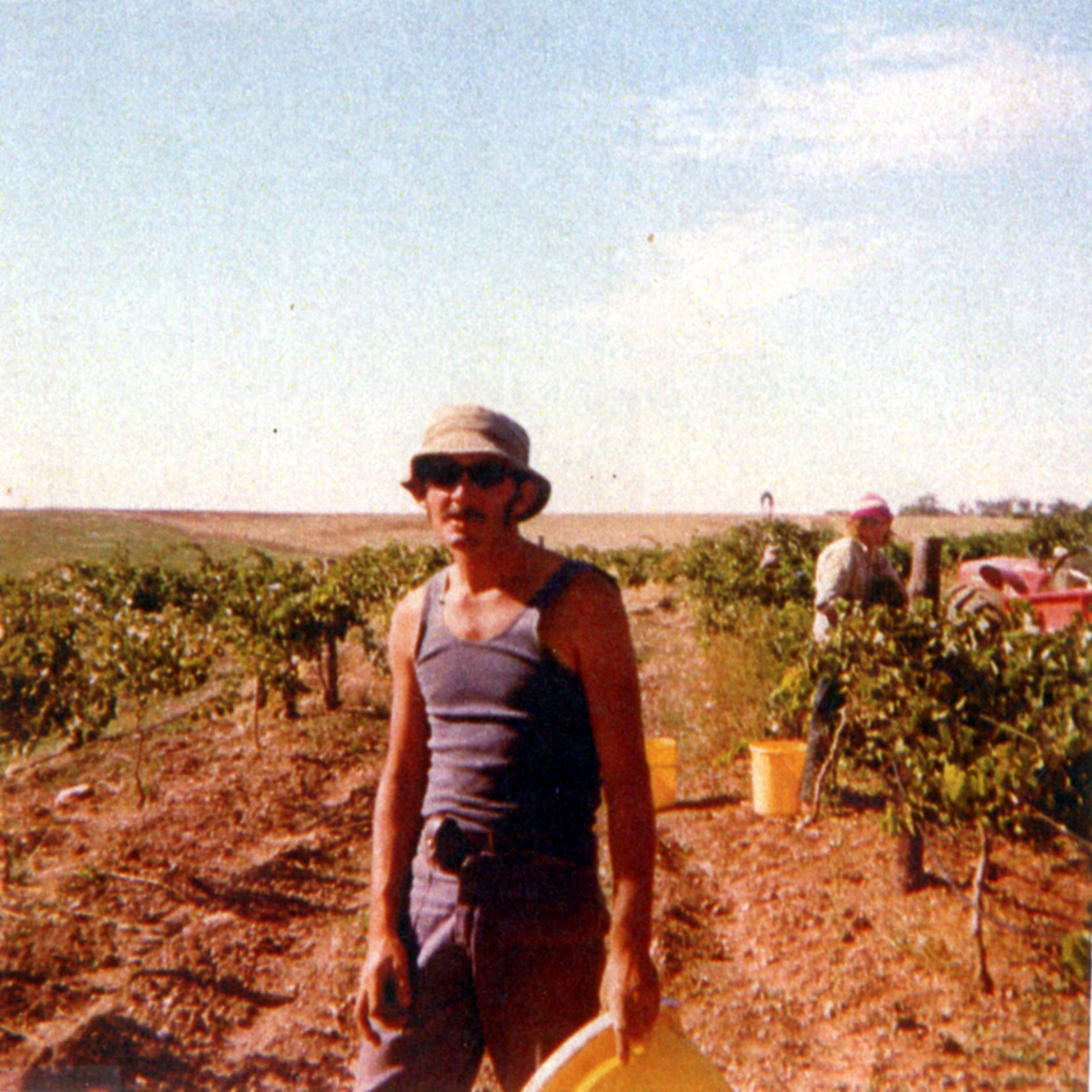
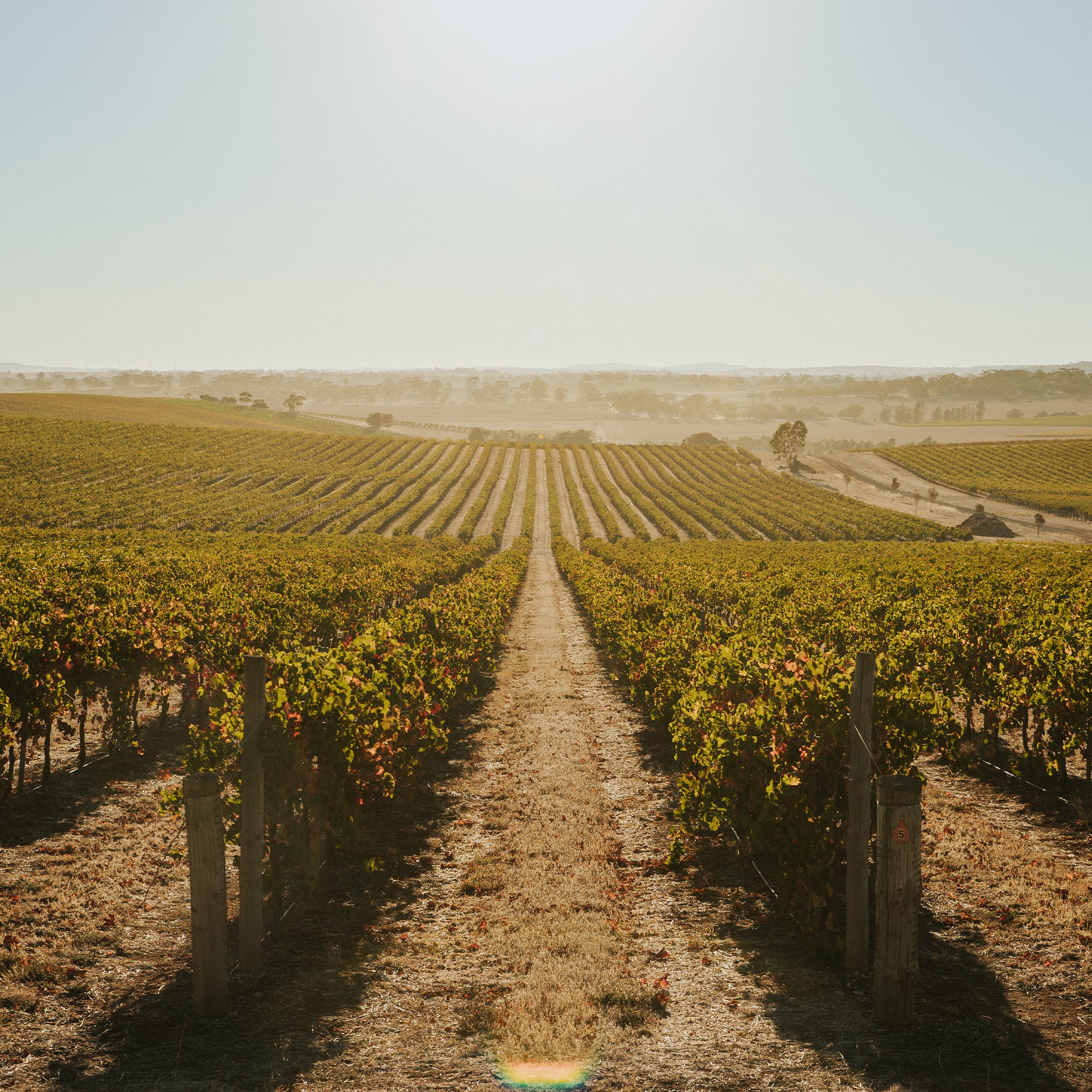
On 21 July 1969, Bill Taylor Sr and his sons Bill and John set foot on the 178‑hectare terra rossa site beside the Wakefield River in Clare Valley, a defining moment that marked the founding of Taylors Wines on the same day Neil Armstrong walked on the moon.
A National Legacy
Taylors became a founding member of Australia’s First Families of Wine in 2009, joining twelve of the nation's most esteemed family-owned wineries. This solidified Taylors’ place within Australia’s premium wine heritage and helped elevate the Australian wine story globally
Top 5 Wineries
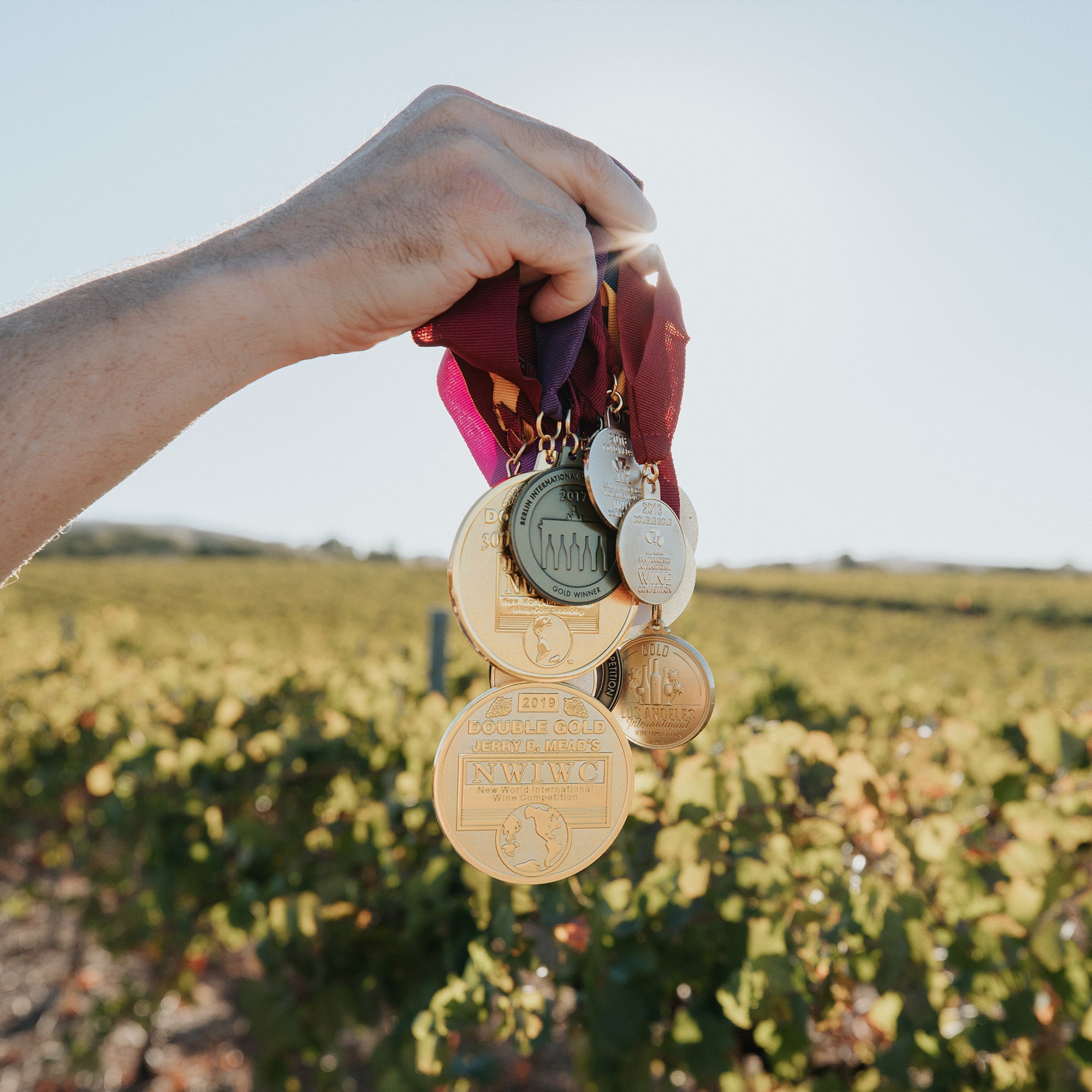
Between 2013 and 2015, Taylors was recognised among the 'Top 5 Wineries in the World' by the World Association of Wine Writers and Journalists. This honour reflected not only our consistency across vintages but our enduring passion for crafting wines that resonate on the world stage.
Most Awarded Winery
In 2017, Taylors was named the Most Awarded Winery in the World by the World Ranking of Wines & Spirits, a defining moment that celebrated the passion, precision, and perseverance behind every bottle. It stands as a testament to our enduring commitment to craft wines of timeless quality and global acclaim.
Taylors Pursuit
In 2025, under the leadership of third-generation Mitchell Taylor, Taylors released its Family Flagship collection, celebrating enduring excellence and innovation. These wines represent the culmination of decades of refinement and craftsmanship within the Clare Valley.
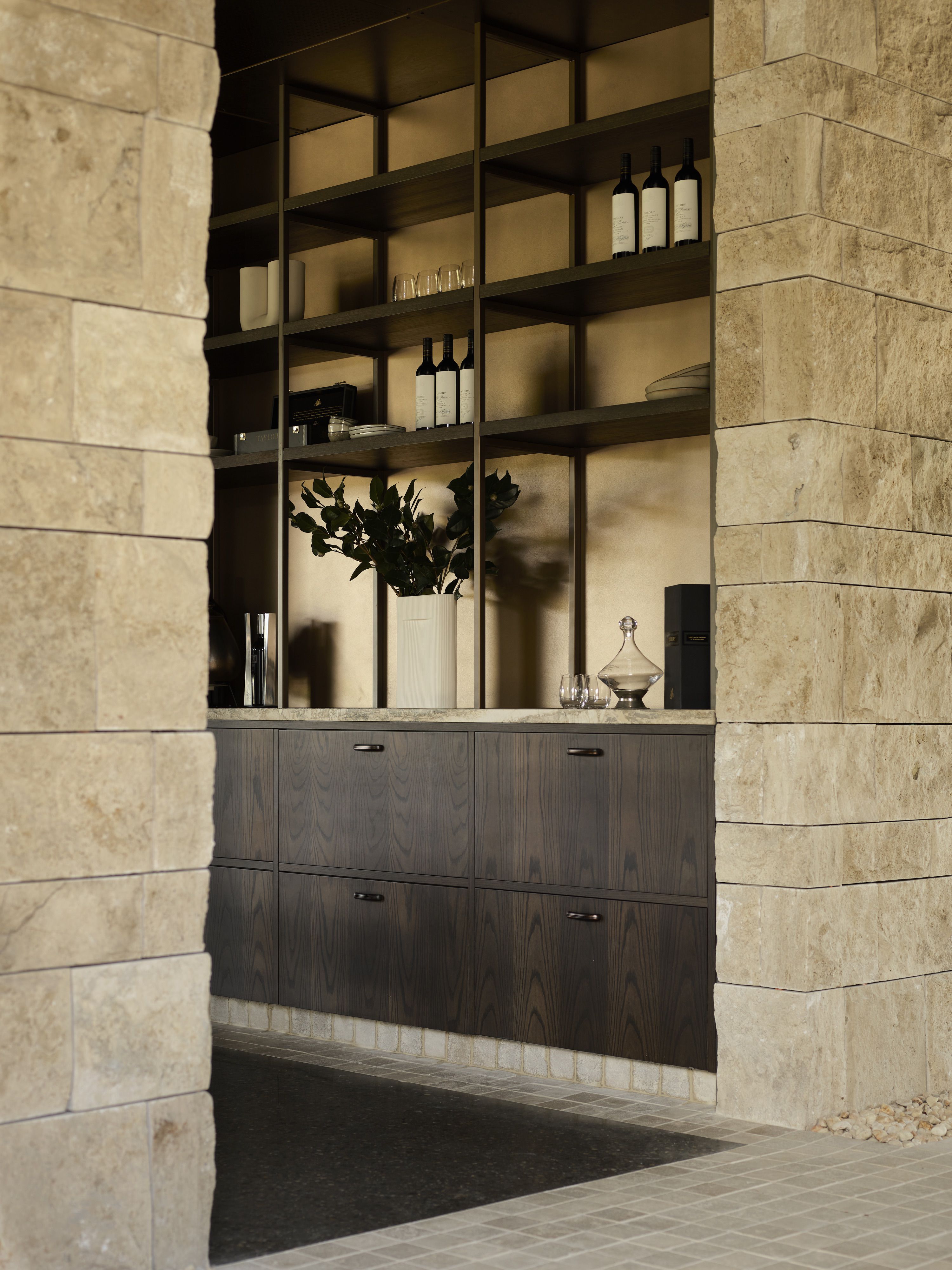
Honoured by judges. Loved by drinkers.
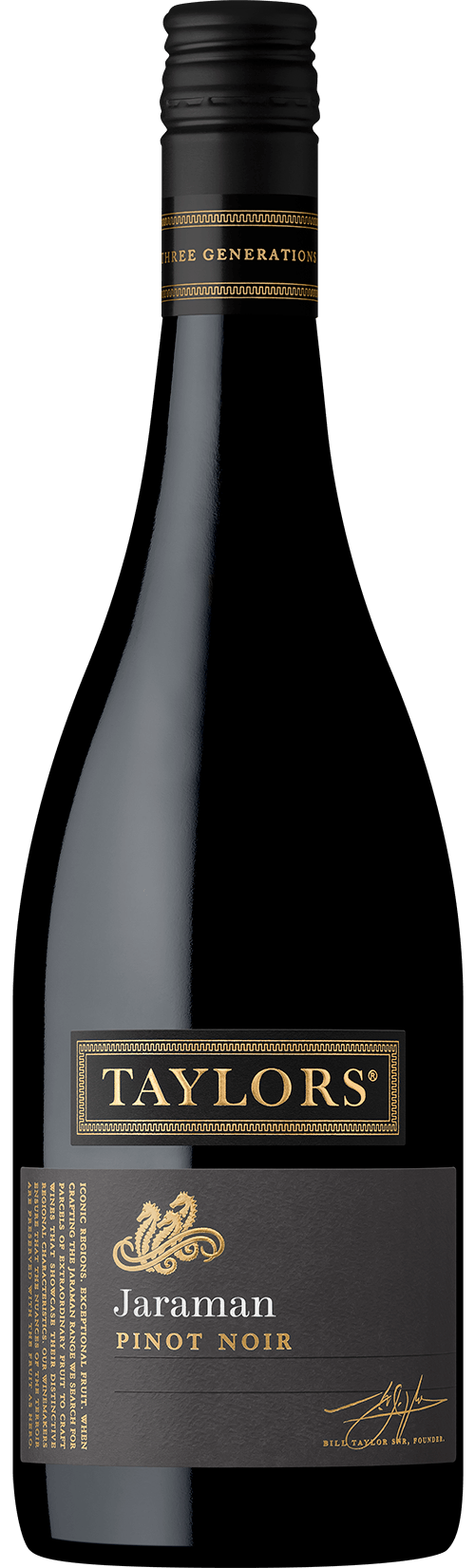
Three Generations in Every Bottle... from our family to yours
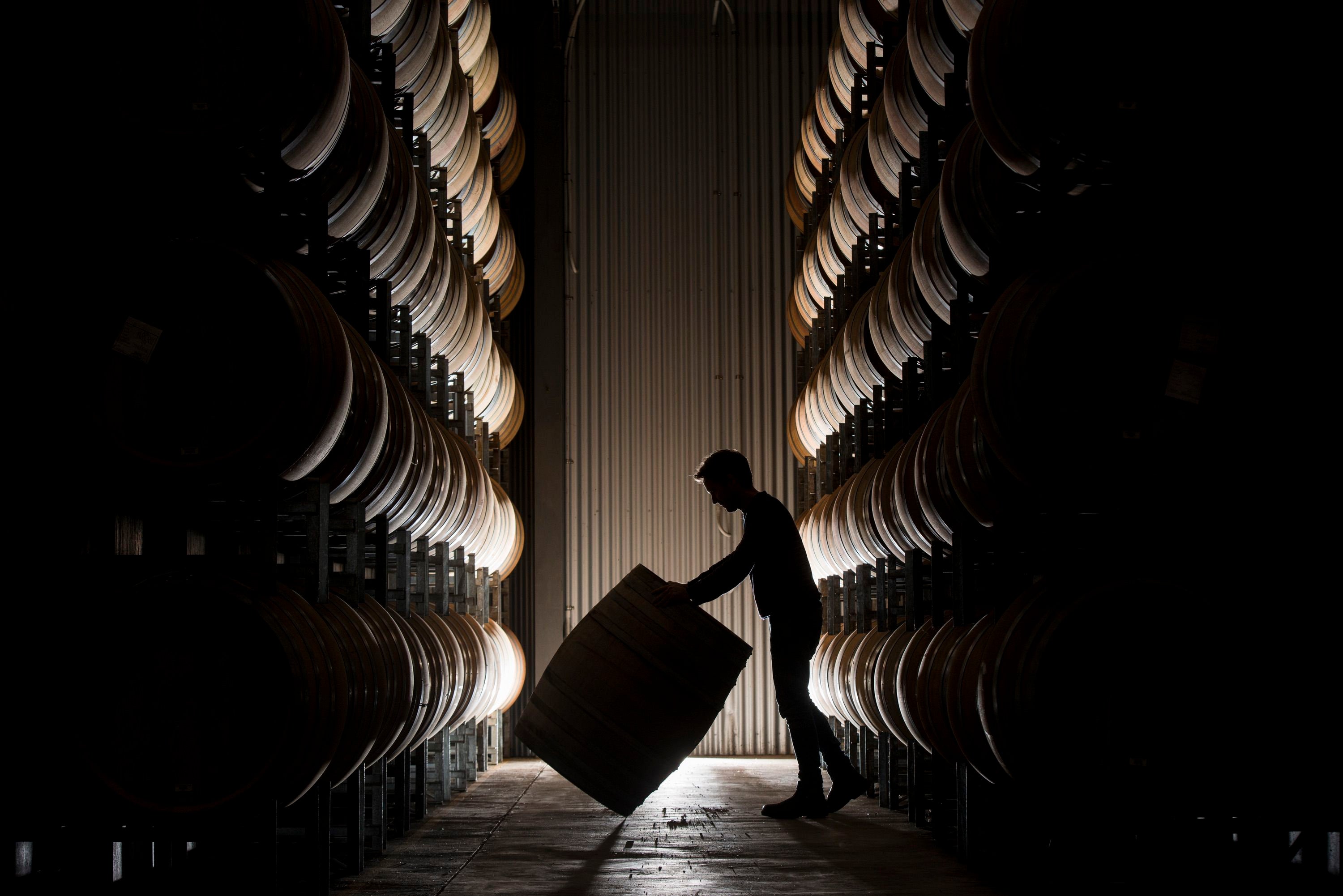
The Taylor family’s journey began in 1969, when Bill Taylor Sr. and his sons risked everything to plant vines in the Clare Valley’s ancient soils. From the moment they unearthed three seahorse fossils in their vineyard dam, each generation has honoured that pioneering spirit, combining sustainable viticulture with state-of-the-art cellar techniques to craft wines of unmistakable character.
Tales from the Taylors
View all