






Wine Shop

For Moments Like These


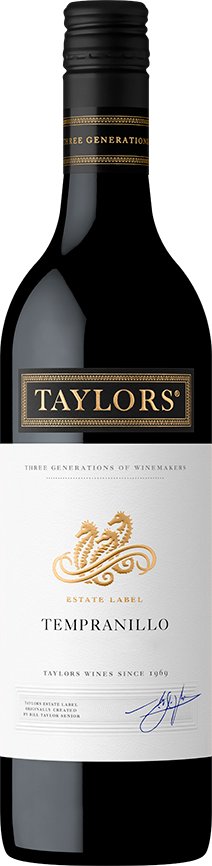
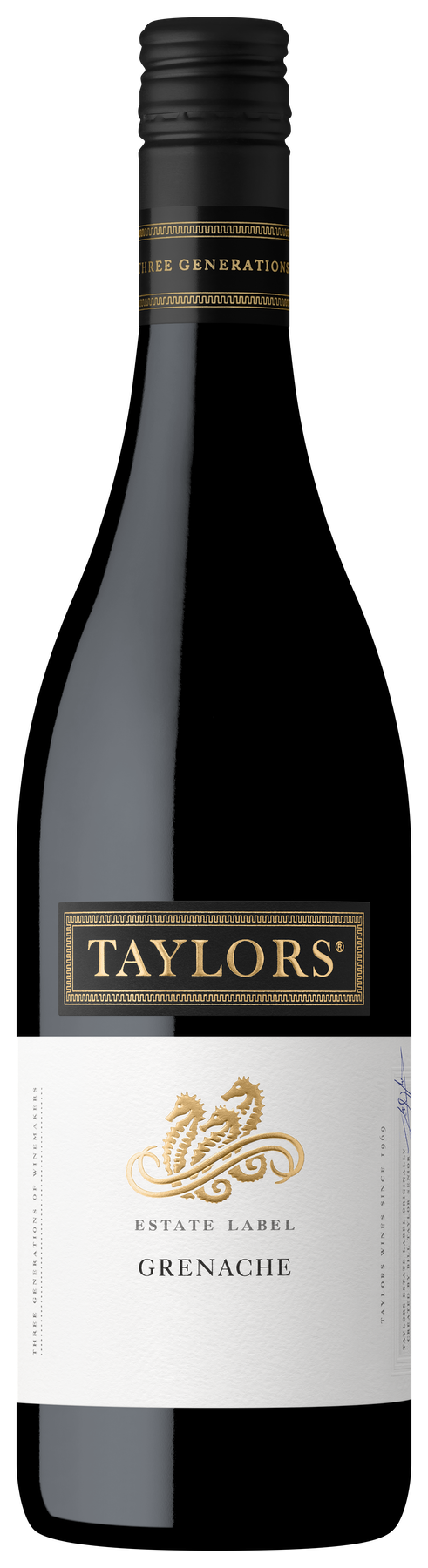
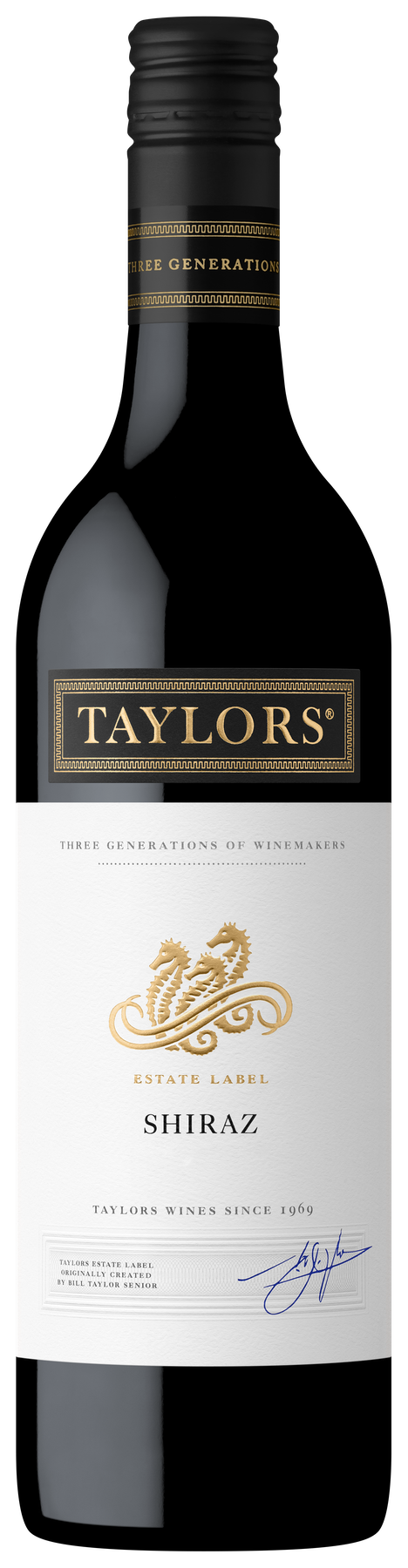

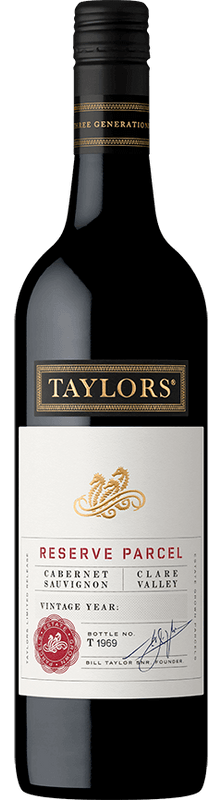
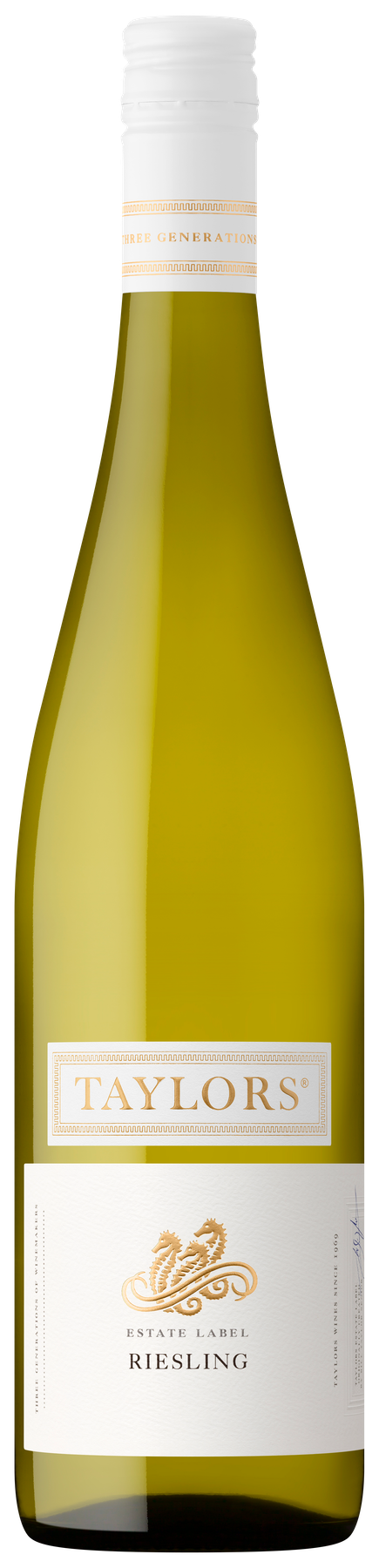
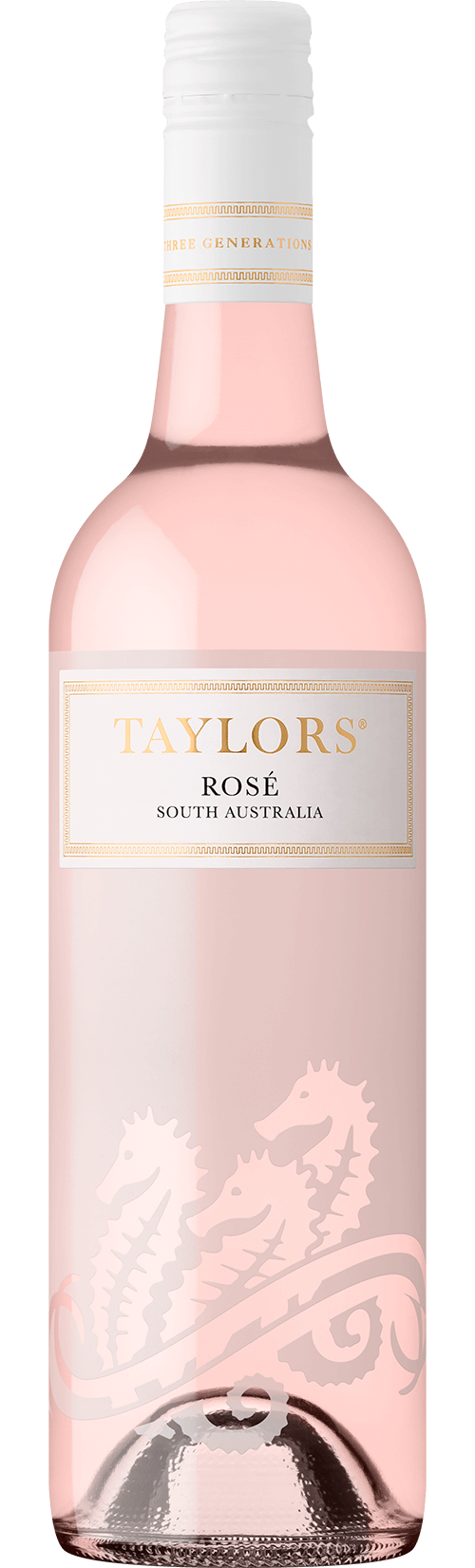

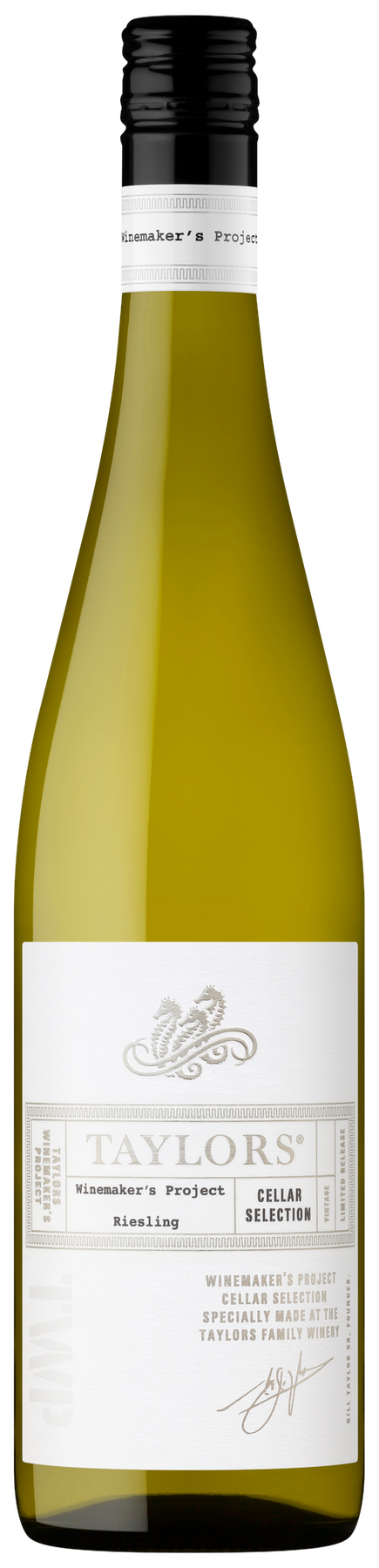

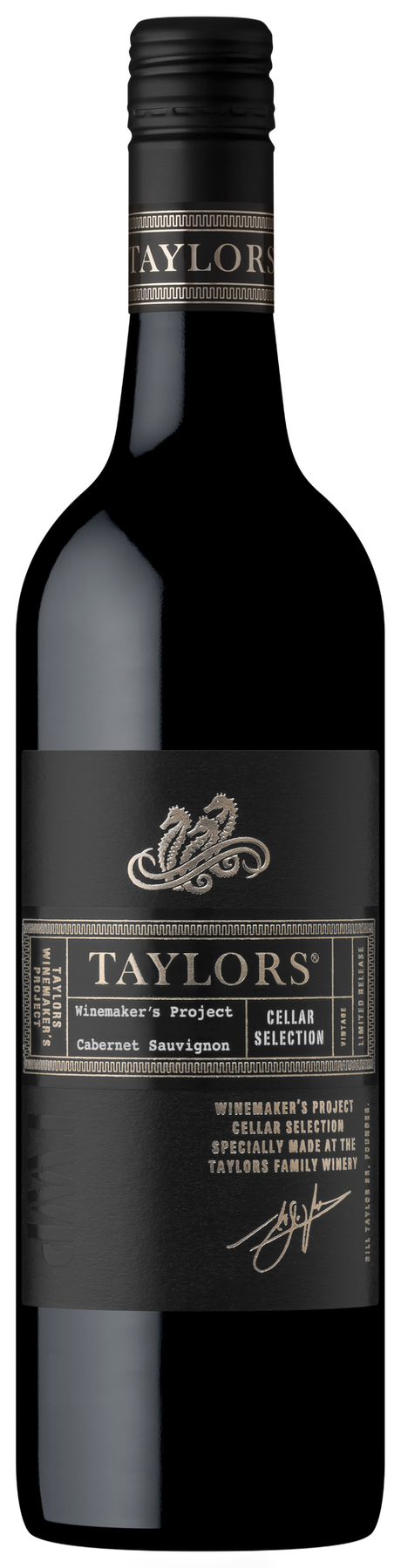


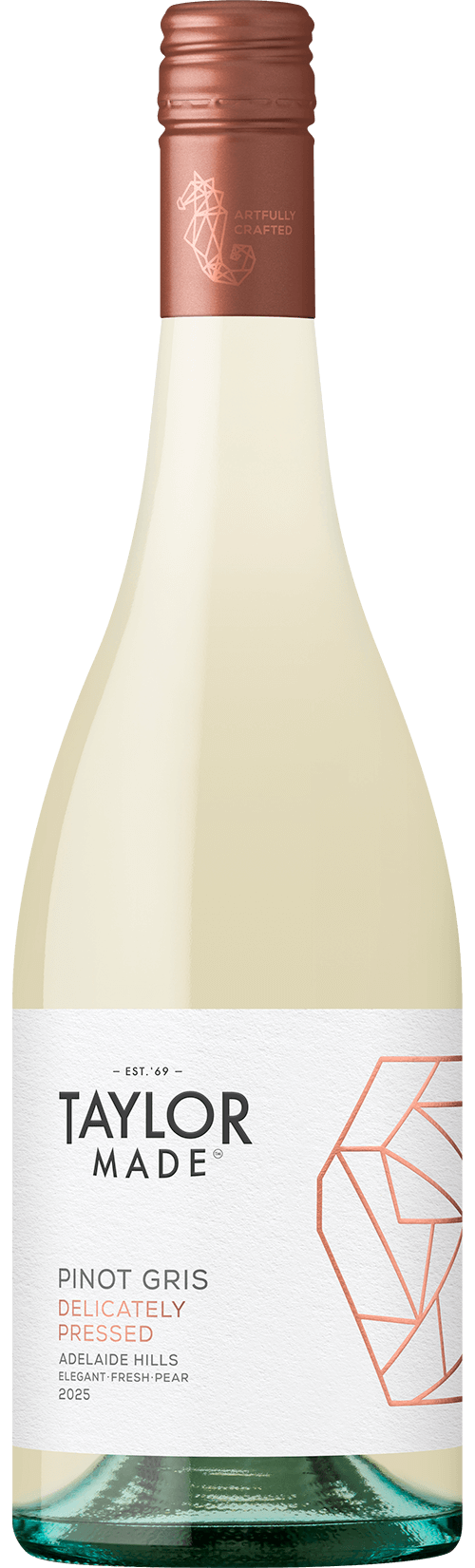

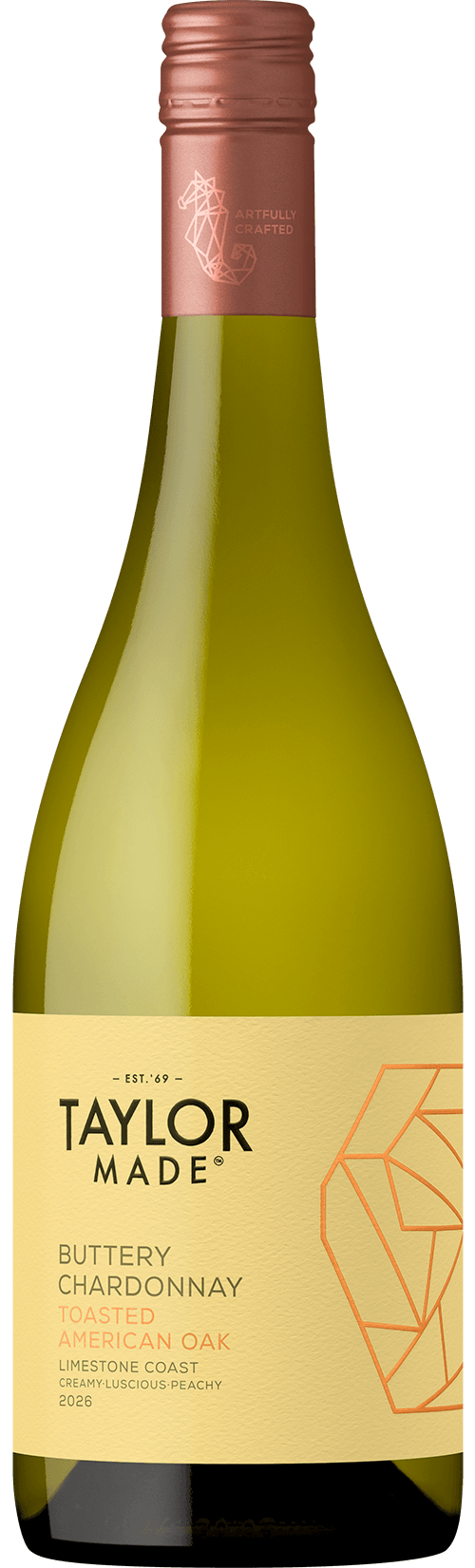



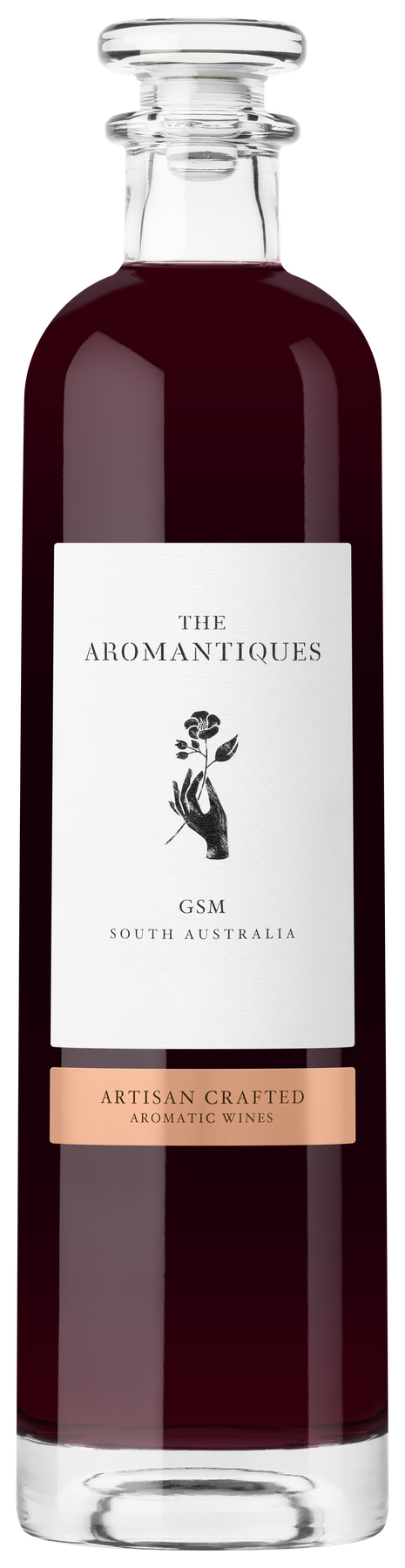

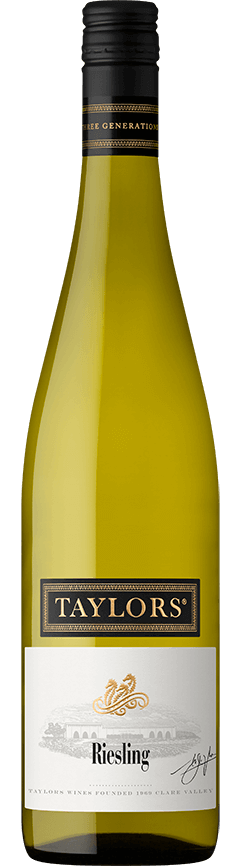
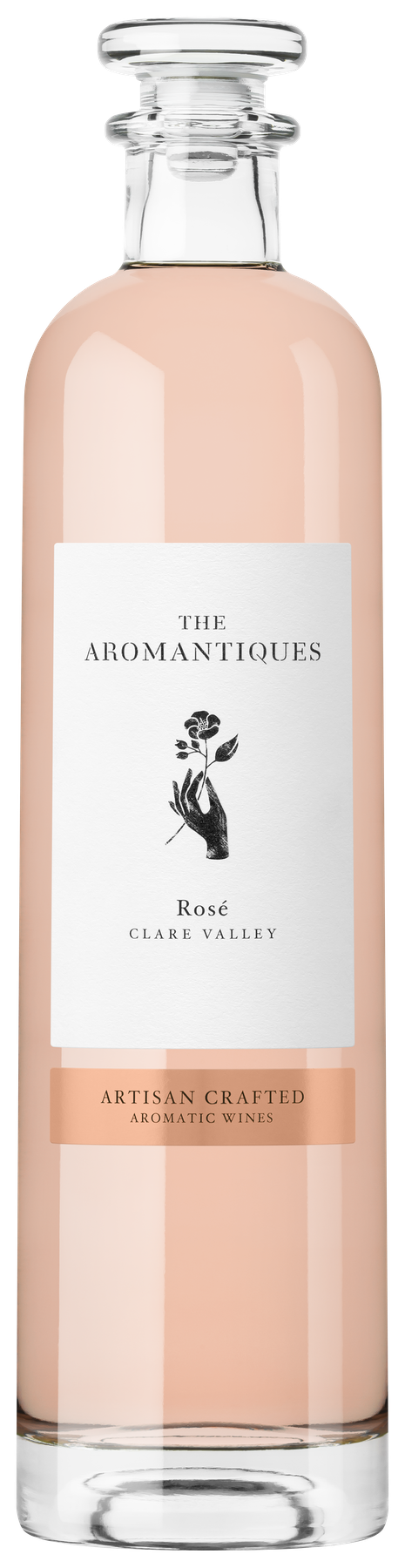
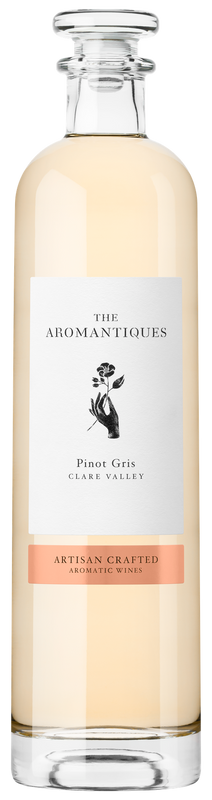
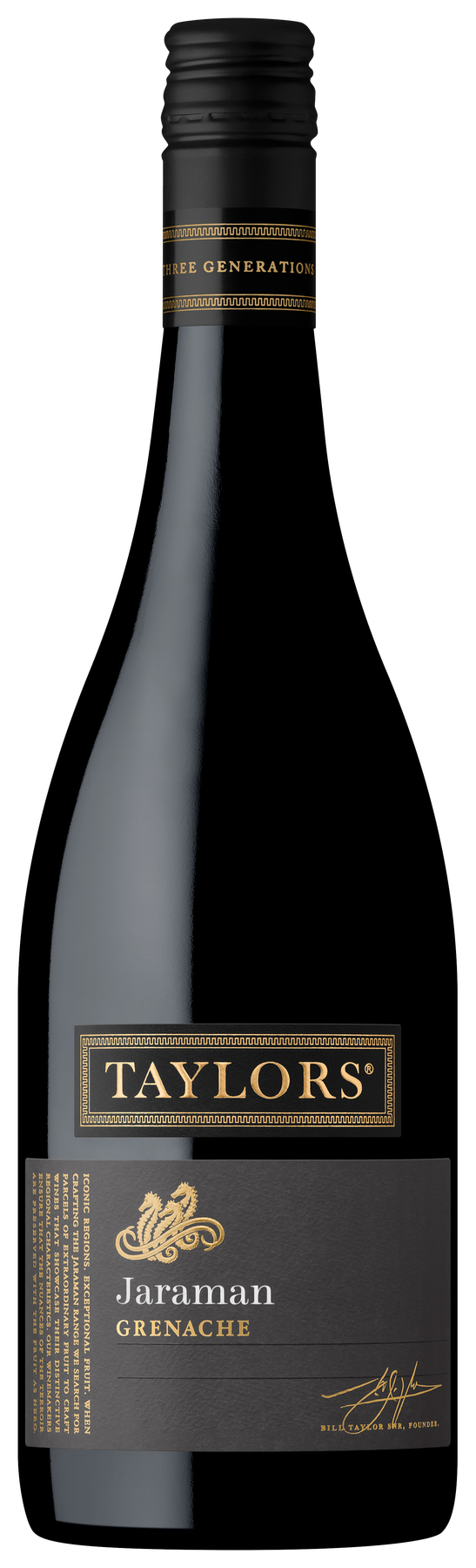
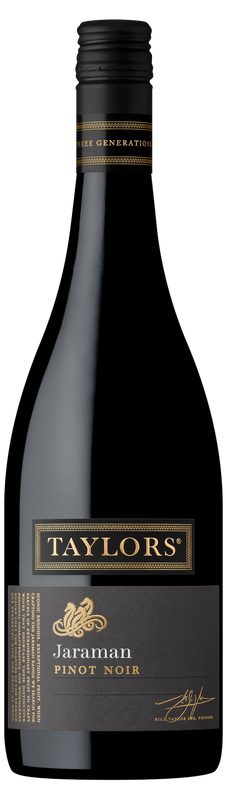

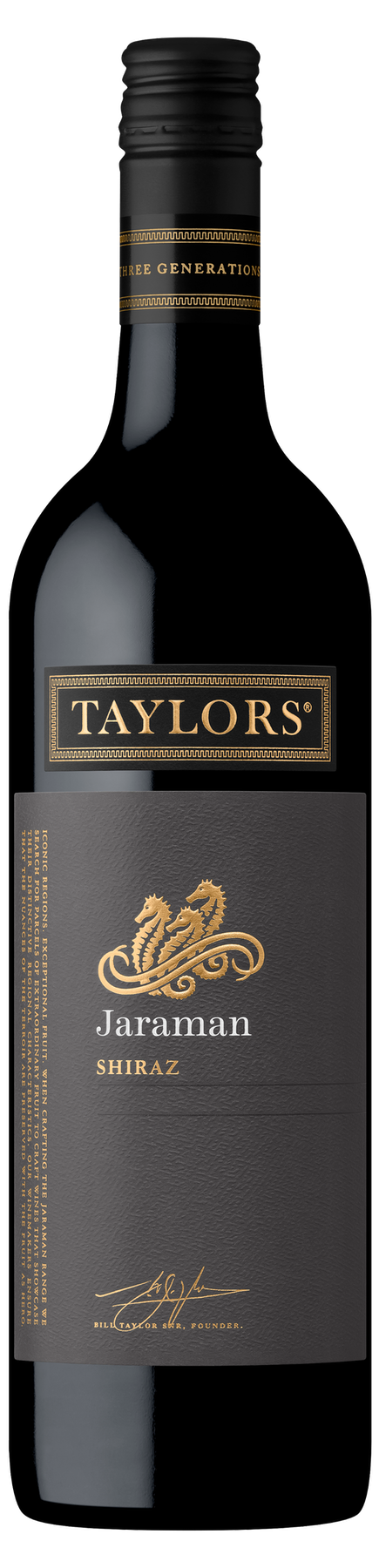

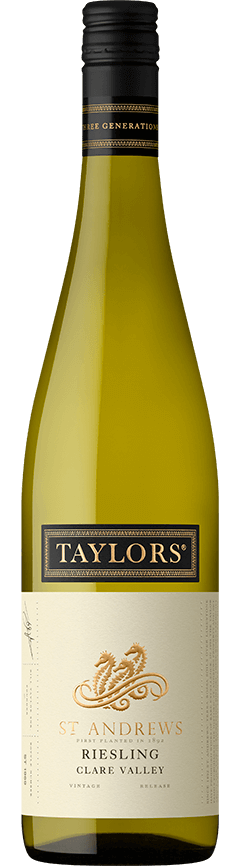

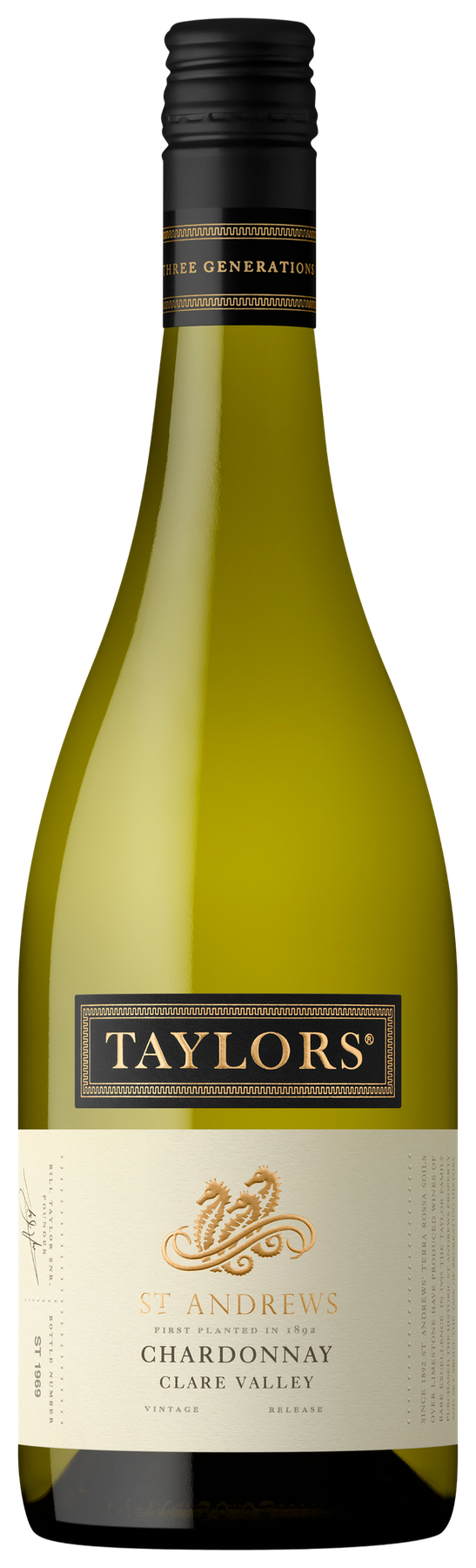


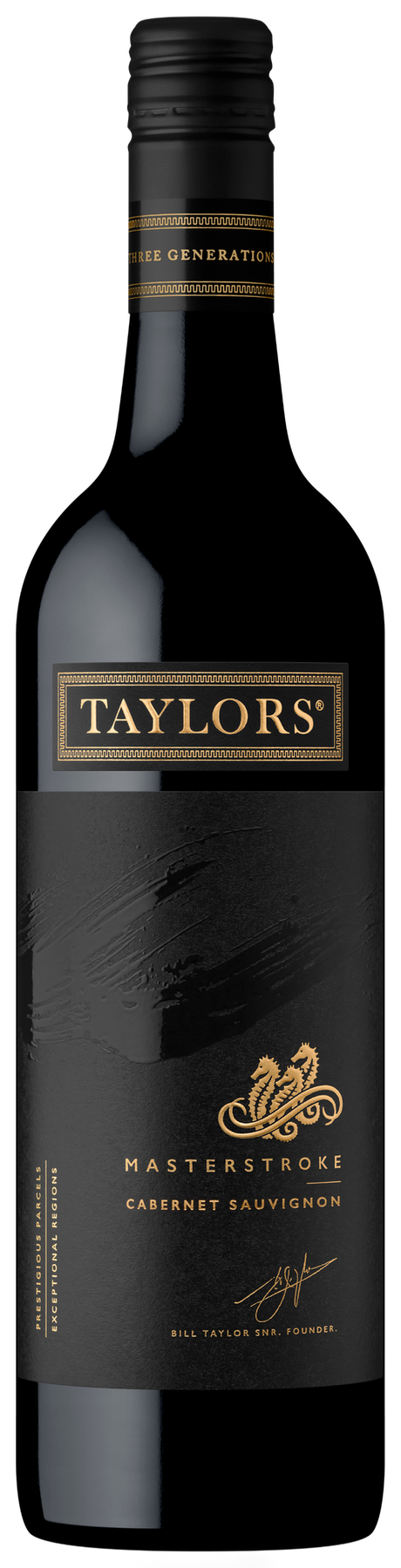


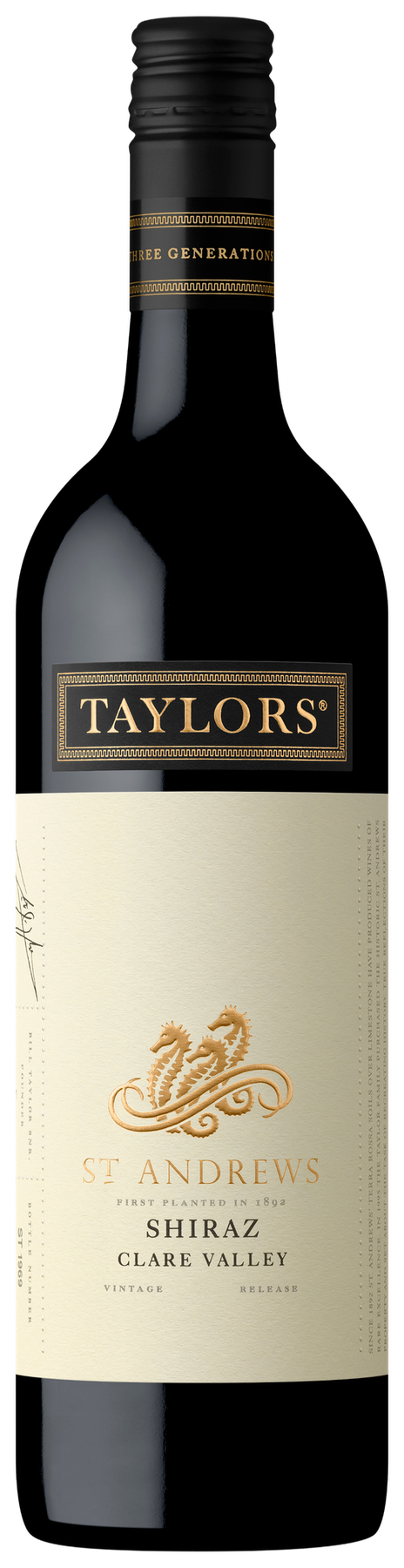


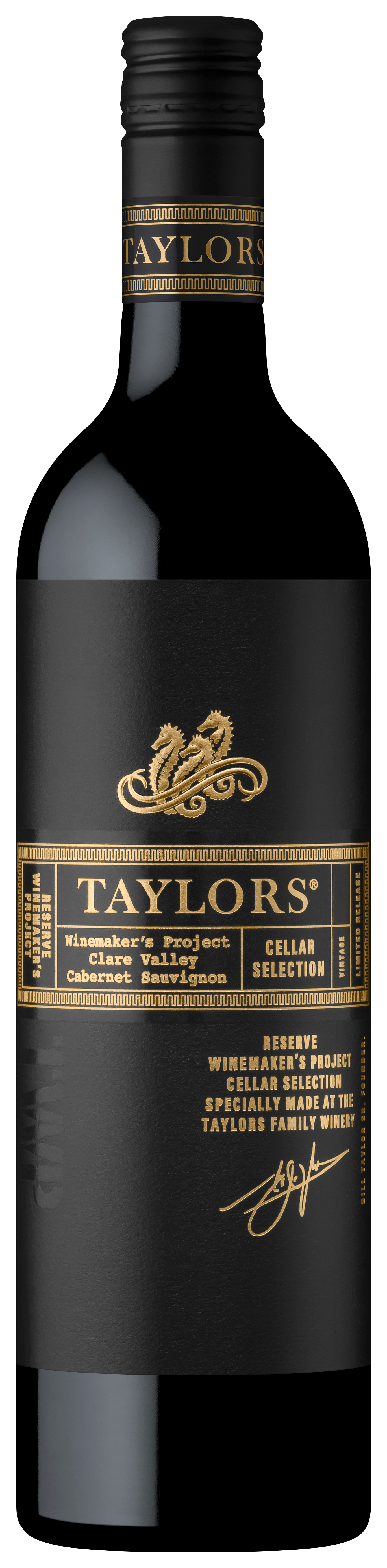


Explore Taylor's range of Australian wines, with red, white, sparkling and rosé styles for dining, entertaining, gifting and memorable occasions. Browse by wine style, grape variety, flavour preference or collection.
Read more
SHOP AUSTRALIAN WINE ONLINE
Taylor's Wine Shop brings together our complete selection of Australian wines in one place. Whether you're looking for an everyday wine, something premium for a special occasion, wines to pair with a meal, or a gift, our shop helps you navigate by colour, variety, range and flavour.
You can browse red, white, sparkling and rosé wines. Filter by grape variety such as Shiraz, Cabernet Sauvignon, Chardonnay or Riesling. Explore by body, oak influence or flavour character. Or visit focused collection pages for award-winning wines, specific ranges or particular varietals.
As our wine collection evolves, the shop provides pathways suited to different buying journeys. Start with what appeals to you: a colour, a variety, a flavour profile or an occasion. Then use the filters and collection pages to discover the right bottle.
EXPLORE WINE BY STYLE
The broadest way to approach wine shopping is to start with colour and style. Red, white, sparkling and rosé wines each offer distinct characteristics and suit different moments and meals.
Red wines
Red wines are made from dark-coloured grape varieties and range from light and elegant to full-bodied and structured. Red wines typically contain tannins, which create a subtle drying sensation in the mouth. Red wine suits hearty meals, entertaining and occasions when you want something with presence.
Red wine styles vary significantly. Some red wines are smooth and fruit-driven, designed for immediate enjoyment. Others are more structured and built to develop complexity over time. When browsing red wines, consider whether you prefer something lighter and approachable or fuller-bodied and more substantial.
White wines
White wines are made from green or yellow grape varieties and range from crisp and aromatic to rich and textured. White wines typically have bright acidity, which creates a refreshing sensation on the palate. White wine suits seafood, lighter meals, warm weather and occasions when you want something fresh and approachable.
White wine styles vary widely. Some white wines are bone-dry and mineral. Others are aromatic and fruit-forward. Some are textured and complex, built to age. When browsing white wines, consider your preference for acidity, body and flavour intensity.
Sparkling wines
Sparkling wines contain carbonation and range from dry to sweet. They suit celebrations, aperitifs, informal entertaining and lighter meals. Sparkling wine brings a sense of occasion and festivity to any moment, whether you're marking a milestone or simply relaxing with friends.
Rosé wines
Rosé wine is made from red grape varieties with minimal skin contact, giving it its characteristic pink colour. Rosé ranges from dry and crisp to slightly sweet. Rosé suits warm weather, casual entertaining, seafood and lighter meals. Rosé wine is approachable, refreshing and often associated with relaxed, convivial moments.
WHICH WINE VARIETY SHOULD YOU CHOOSE?
Wine varieties are the grape types used to make wine. Each variety has its own characteristics, flavour profile and typical structure. Understanding the key varieties helps you navigate wine selection based on preference.
Popular red wine varieties
Cabernet Sauvignon. A full-bodied red wine, typically structured and elegant with dark fruit, herb and subtle oak characteristics. Cabernet Sauvignon pairs well with beef, lamb and hearty meals. It is known for ageing potential and is often chosen for special occasions and fine dining.
Shiraz. A full-bodied red wine, typically generous and spicy with fruit-forward character. Shiraz displays dark fruit, spice and sometimes pepper or licorice notes. It pairs well with barbecued meats, rich dishes and entertaining. Shiraz is a quintessentially Australian variety and is approachable at many price points.
Pinot Noir. A light to medium-bodied red wine, typically elegant and nuanced. Pinot Noir displays red fruit flavours and subtle earthiness with generally lower tannins than Cabernet or Shiraz. It pairs well with duck, mushrooms, lighter meat dishes and even seafood. Pinot Noir is prized for its finesse and balance.
Merlot. A medium to full-bodied red wine, typically soft and approachable. Merlot displays plum and dark fruit flavours with often gentle tannins. It pairs well with roasted meats, pasta dishes and casual entertaining. Merlot is known for being smooth and easy to drink.
Grenache. A medium to full-bodied red wine, typically fruit-driven and spicy. Grenache displays red and dark fruit flavours with peppery spice notes. It pairs well with Mediterranean dishes, hearty stews and informal entertaining. Grenache is increasingly recognised as a versatile and distinctive variety.
Popular white wine varieties
Chardonnay. A versatile white wine variety that ranges from light and crisp to rich and textured, depending on winemaking style. Chardonnay typically displays green fruit, citrus or stone fruit flavours. Some styles are aged in oak, creating buttery, creamy characteristics. Chardonnay pairs well with seafood, roast chicken, creamy dishes and aged cheeses. It suits both casual and formal occasions.
Riesling. A light to medium-bodied white wine, typically aromatic and bright. Riesling displays stone fruit, citrus and floral flavours with crisp acidity. Riesling can range from bone-dry to off-dry or sweet, depending on style. It pairs excellently with seafood, Asian cuisine and lighter meals. Riesling is highly versatile and food-friendly.
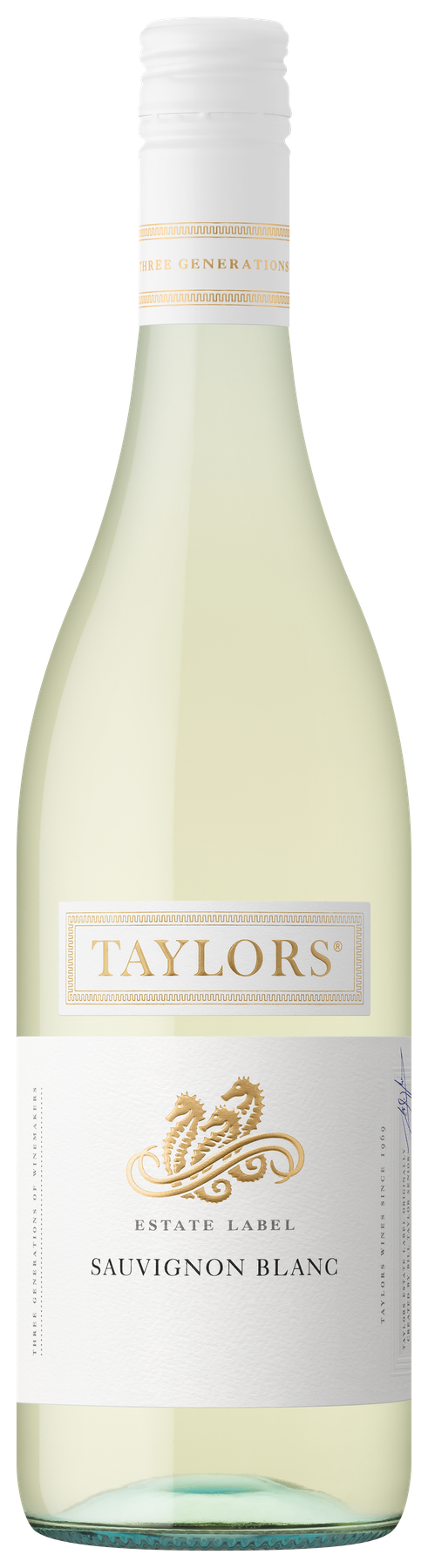
Sauvignon Blanc. A light to medium-bodied white wine, typically crisp and refreshing. Sauvignon Blanc displays herbaceous, citrus and tropical fruit characteristics with bright acidity. It pairs well with fresh seafood, salads, goat's cheese and light meals. Sauvignon Blanc is ideal for warm weather and casual entertaining.
Pinot Gris. A light to medium-bodied white wine, typically dry and approachable. Pinot Gris displays green apple, stone fruit and citrus flavours with moderate acidity. It pairs well with seafood, poultry, light pasta dishes and casual meals. Pinot Gris is known for being smooth and food-friendly.
Grape Variety Comparison Table
|
Variety |
Typical Body |
Typical Style |
General Pairing Direction |
|
Cabernet Sauvignon |
Full |
Structured, dark-fruited, firm |
Beef, lamb, mature cheese |
|
Shiraz |
Medium to full |
Generous, fruit-driven, spicy |
Barbecue dishes, roast meats |
|
Pinot Noir |
Light to medium |
Elegant, red-fruited, fresh |
Duck, mushrooms, lighter meats |
|
Merlot |
Medium |
Smooth, rounded, plum-fruited |
Pasta, pork, roast chicken |
|
Grenache |
Medium to full |
Fruit-driven, spicy, peppery |
Mediterranean dishes, hearty stews |
|
Chardonnay |
Medium |
Fresh and citrus-led or richer and textured |
Chicken, seafood, creamy dishes |
|
Riesling |
Light |
Aromatic, crisp, bright |
Seafood, lightly spiced dishes |
|
Sauvignon Blanc |
Light |
Dry, fresh, herbaceous |
Salads, seafood, goat's cheese |
|
Pinot Gris |
Light to medium |
Fresh, softly textured, fruit-led |
Chicken, seafood, light pasta |
Treat all descriptions as broad variety guidance. Flavour characteristics are typical themes and may vary according to region, vineyard conditions and winemaking approach.
CHOOSE WINE BY FLAVOUR AND BODY
Beyond colour and variety, wine characteristics such as body, acidity, tannins and oak influence help define your preference. Understanding these elements helps you select a wine that suits your taste.
Light and refreshing wines
Light-bodied wines feel delicate and crisp on the palate. They typically have bright acidity and fresh fruit character. Light wines suit casual drinking, warm weather and lighter meals. Light-bodied white wines such as Sauvignon Blanc and Riesling are particularly refreshing. Light-bodied red wines such as Pinot Noir offer elegant, approachable enjoyment.
Medium-bodied and fruit-driven wines
Medium-bodied wines feel balanced and substantial. They typically have moderate acidity and prominent fruit character. Medium wines suit casual dinners, pasta dishes and shared meals. Examples include Merlot, Pinot Noir, Grenache and fruit-forward Chardonnay styles.
Rich and full-bodied wines
Full-bodied wines feel rich, heavy and powerful on the palate. They typically have concentrated fruit, fuller tannin structure and sometimes oak influence. Full-bodied wines suit hearty meals, barbecues and special occasions. Examples include Shiraz and Cabernet Sauvignon.
Wine body is influenced by alcohol content, tannins, sweetness and the concentration of flavours. Flavour characteristics are typical themes and may vary according to region, vineyard conditions and winemaking approach. Always check individual wine information for specific tasting notes and serving guidance.
Wine Style Comparison Table
|
Wine Style |
Typical Character |
Common Varieties |
Suitable Occasions |
|
Light and refreshing |
Fresh acidity, bright fruit, clean finish |
Sauvignon Blanc, Riesling, Pinot Gris, Pinot Noir |
Lunches, seafood, warm-weather entertaining |
|
Medium-bodied and fruit-driven |
Balanced fruit, moderate structure, approachable texture |
Pinot Noir, Merlot, Grenache, fruit-forward Chardonnay |
Casual dinners, pasta, shared meals |
|
Rich and full-bodied |
Concentrated fruit, fuller texture, greater tannin structure |
Shiraz, Cabernet Sauvignon |
Barbecues, roast meats, special dinners |
|
Textured white wine |
Rounded mouthfeel, fruit depth, possible oak influence |
Chardonnay |
Roast chicken, seafood, richer dishes |
|
Sparkling wine |
Lively bubbles, freshness, bright acidity |
Verified sparkling styles |
Celebrations, aperitifs, entertaining |
|
Rosé |
Fresh fruit, crisp acidity, light to medium body |
Verified rosé styles |
Picnics, lunches, relaxed occasions |
Wine style can vary according to grape variety, region, vineyard conditions and winemaking approach. Check individual wine information for specific tasting notes and serving guidance.
WHAT WINE GOES WITH YOUR MEAL?
Matching wine with food enhances both the wine and the meal. Consider the main ingredients, cooking method, sauce and richness of your dish.
|
Wine Pairing |
Best With |
Notes |
|
Cabernet Sauvignon |
Beef, lamb, mature cheese |
Structured tannins complement rich, savoury flavours |
|
Shiraz |
Barbecue dishes, roast meats, spiced food |
Generous fruit and spice work with bold flavours |
|
Pinot Noir |
Duck, mushrooms, lighter meats |
Elegant structure suits delicate preparations |
|
Merlot |
Pasta, pork, roast chicken |
Smooth tannins complement varied dishes |
|
Grenache |
Mediterranean cuisine, hearty stews |
Fruit-forward and spicy character suits bold dishes |
|
Chardonnay |
Roast chicken, richer seafood, creamy sauces |
Texture and complexity pair with substantial dishes |
|
Riesling |
Seafood, Asian cuisine, lighter meals |
Bright acidity complements fresh, delicate flavours |
|
Sauvignon Blanc |
Salads, fresh seafood, goat's cheese |
Crisp acidity enhances fresh, light ingredients |
|
Pinot Gris |
Chicken, seafood, light pasta |
Approachable style suits varied lighter dishes |
|
Sparkling wine |
Appetisers, celebrations, light starters |
Bubbles and freshness suit festive moments |
|
Rosé |
Seafood, light meals, warm-weather entertaining |
Fresh character suits relaxed, casual occasions |
Personal preference, sauce and cooking method can be as important as the main ingredient. These pairings are flexible guidelines rather than rigid rules. Experiment and discover which combinations you enjoy.
CHOOSE WINE FOR ANY OCCASION
Beyond matching wine with food, choosing wine by occasion helps you select something suited to the moment.
Wine for entertaining
For dinner parties, choose wines that complement your menu but also impress your guests. Structured red wines such as Cabernet Sauvignon or medium-bodied Pinot Noir work well. Premium white wines such as quality Chardonnay or Riesling suit fish or lighter menus. For casual entertaining, choose approachable, fruit-driven wines that encourage relaxed enjoyment.
Wine for gifting and celebrations
For milestone moments such as birthdays, anniversaries and promotions, sparkling wine brings a sense of occasion. Alternatively, choose a premium wine from your guest's favourite variety or range. When gifting wine, consider the recipient's preference for red or white, their preferred variety, and the occasion. A wine from a recognised Taylor's range signals thoughtfulness and quality.
For building a home wine collection, consider diversity across colour, variety and body. Include light-bodied wines for casual enjoyment, full-bodied wines for hearty meals, and at least one sparkling wine for celebrations.
WHY SHOP WITH TAYLOR'S WINES?
Taylor's Wines has been family-owned since 1969. Our home is the Clare Valley, one of Australia's most respected wine regions. We're committed to sustainable winemaking practices and respect for the land and vineyard care.
Our wine collection spans everyday selections, premium ranges and award-winning wines. Each wine reflects our philosophy of patience, craft and quality. We don't chase trends. We craft wines built to be shared across meaningful moments and lifetimes.
When you shop with Taylor's, you're choosing from a family winery with multi-generational expertise. You're choosing wines made with care, tasted and selected for quality. Explore our family story, visit our Cellar Door, or discover our winemaking team and sustainability practices through the website.
We encourage all wine enjoyment to be responsible. Please drink responsibly and within your own limits.
FREQUENTLY ASKED QUESTIONS ABOUT BUYING WINE ONLINE
What types of wine can I buy from Taylor's?
Taylor's offers red, white, sparkling and rosé wines across multiple varieties and ranges. You can browse by colour, variety, body, oak influence and range using the shop filters and collection pages. Browse collection pages for award-winning wines or specific ranges.
How do I choose the right wine?
Start with colour and style: do you prefer red, white, sparkling or rosé? Then consider body and flavour: do you want something light and refreshing or rich and full-bodied? Finally, think about occasion and food. Use the shop filters or collection pages to explore your preferred style.
What is the difference between red wine and white wine?
Red wine is typically bolder, fuller-bodied and suited to hearty meals and entertaining. White wine is typically fresher, crisper and suited to seafood and lighter meals. Your choice depends on personal preference and what you're eating or the occasion.
Which wine is best for a dinner party?
For dinner parties, choose wines that complement your menu. Structured reds such as Cabernet Sauvignon suit beef or lamb. Elegant whites such as Chardonnay suit fish or lighter dishes. Choose wines you know guests will enjoy rather than overly experimental selections.
What wine should I buy as a gift?
Consider the recipient's preference for red or white wine and their preferred variety or range. A wine from a recognised Taylor's range signals thoughtfulness and quality. When in doubt, choose a versatile variety such as Shiraz, Chardonnay or Riesling that suits different occasions.
Which wine pairs with steak?
Structured red wines such as Cabernet Sauvignon or full-bodied Shiraz pair beautifully with beef and steak. The wine's tannins and fruit complement rich, savoury meat dishes. Choose a wine with character to match the richness of the meal.
Which wine pairs with seafood?
Crisp white wines such as Sauvignon Blanc and Riesling pair well with fresh seafood due to their bright acidity. Chardonnay, particularly unoaked or lightly oaked styles, also pairs well with richer seafood preparations. Lighter rosé wines can also work well with seafood.
How should wine be stored after purchase?
Store wine in a cool, dark place away from direct sunlight and temperature fluctuations. For wines you plan to drink soon, a cool cupboard or wine rack is suitable. For wines you plan to cellar longer, consider dedicated wine storage conditions. Check individual wine information for specific storage guidance.